
Introduction
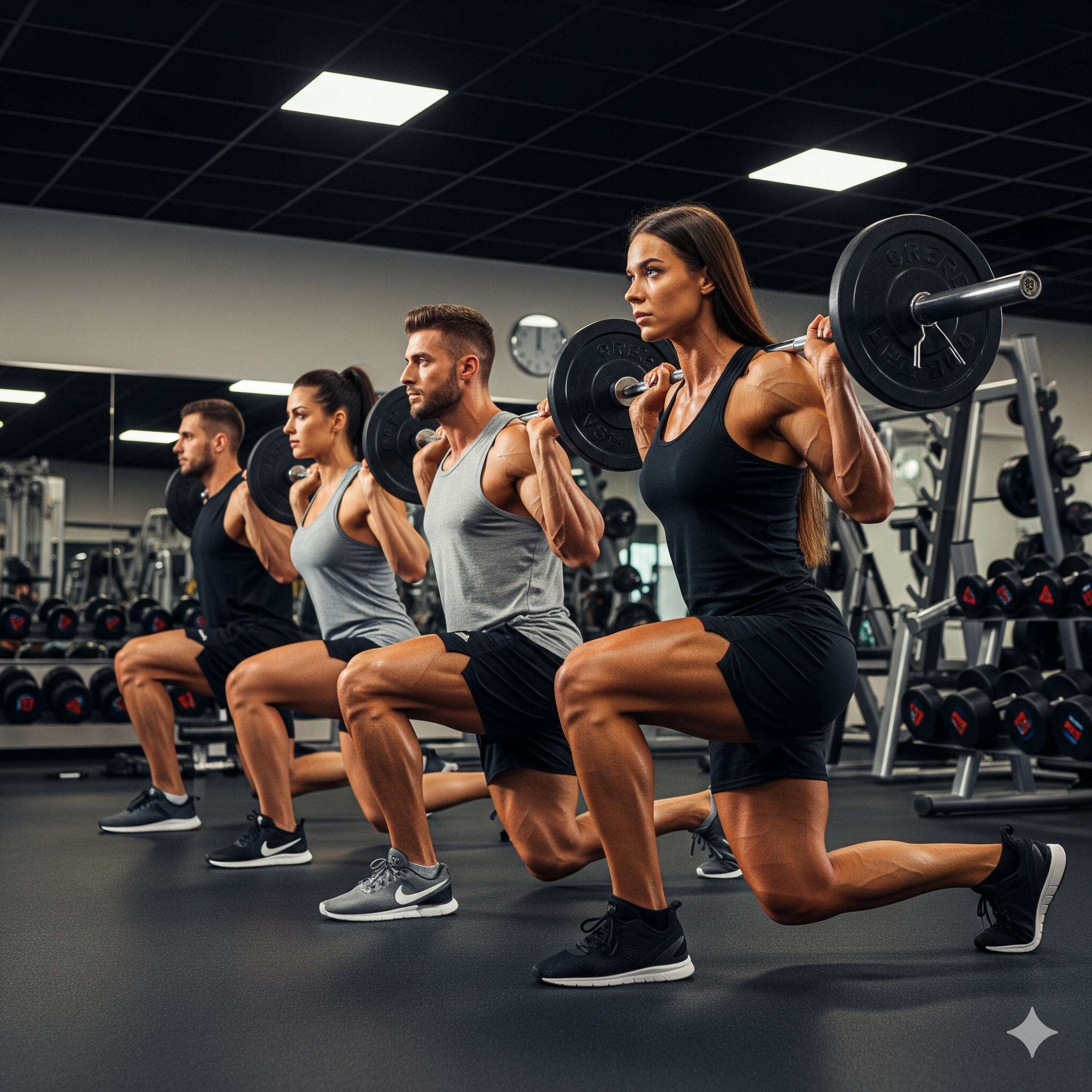
In the world of fitness, one exercise stands out for being simple yet highly effective: lunges. Whether you are a beginner looking to build strength or an athlete aiming to improve performance, lunges offer a complete lower-body workout without the need for heavy equipment. This functional exercise not only strengthens your legs but also enhances core stability, balance, and coordination.
But the real question is: Are lunge truly the most effective exercise for building strength and balance?
This article takes a deep dive into the science and practice of lunges, exploring their benefits, types, proper technique, and their role in overall fitness.
What Are Lunges?
Lunges are a type of unilateral exercise, which means they work one side of the body at a time. Unlike squats, which focus on both legs together, lunge challenge your muscles independently, forcing balance and coordination.
When performed correctly, lunges engage major lower-body muscles:
-
Quadriceps (front thighs)
-
Hamstrings (back thighs)
-
Glutes (buttocks)
-
Calves
-
Core muscles for stabilization
This makes lunges not only a strength-building move but also a functional exercise that improves daily movement and athletic performance.
Why Are Lunges So Effective?
Fitness experts often highlight lunge as one of the most effective bodyweight exercises. The main reasons include:
-
Strength and Endurance – They target large muscle groups that support running, jumping, and walking.
-
Balance and Coordination – By training one leg at a time, lunge force your core to stabilize.
-
Flexibility – The wide stance stretches hip flexors and improves mobility.
-
Functional Training – Lunge mimic real-life movements like climbing stairs or bending down.
-
Accessibility – Lunge require no equipment and can be performed anywhere.
Main Points of the News
📌 Lunges help build muscle strength while also enhancing balance.
📌 They are effective for weight loss when combined with a calorie-controlled diet.
📌 Different variations of lunges target specific muscle groups.
📌 Athletes rely on lunges for sports performance improvement.
📌 Experts warn about common mistakes that can reduce effectiveness or cause injury.
Different Types of Lunges
There are many variations of lunge, each offering unique benefits:
1. Forward Lunge
-
The most common type.
-
Step forward, bend both knees, and lower your body.
-
Works on quadriceps and glutes.
2. Reverse Lunge
-
Step backward instead of forward.
-
Reduces knee strain and increases glute engagement.
3. Walking Lunge
-
Perform continuous forward lunges while moving across a space.
-
Great for endurance and functional strength.
4. Side Lunge (Lateral Lunge)
-
Step to the side, bending one knee while keeping the other straight.
-
Targets inner thighs and improves hip mobility.
5. Curtsy Lunge
-
Cross one leg behind the other and bend into a lunge.
-
Focuses on glute activation and hip strength.
6. Jump Lunge
-
A plyometric version where you jump between lunge.
-
Builds explosive power and burns calories quickly.
Benefits of Doing Lunges
1. Strength Building
Regular lunges improve muscle strength, particularly in the legs and core. Stronger muscles mean better performance in sports and reduced injury risk.
2. Weight Loss Support
Because lunge activate multiple muscles at once, they increase calorie burn. When added to a high-intensity workout, lunge can significantly aid fat loss.
3. Balance and Stability
Unlike bilateral exercises, lunge make your stabilizing muscles work harder, which improves posture and coordination.
4. Core Engagement
Every lunge requires core strength to maintain balance, indirectly strengthening abdominal muscles.
5. Injury Prevention
By correcting muscle imbalances, lunge protect joints and lower the risk of sports-related injuries.
Common Mistakes to Avoid
Even though lunge look simple, poor form can lead to injuries. Here are frequent mistakes:
-
Knee going past toes – Increases stress on the knee joint.
-
Leaning forward too much – Reduces glute activation and strains the back.
-
Not keeping balance – Makes the exercise less effective.
-
Too short or too long step – Can cause improper muscle engagement.
-
Skipping warm-up – Raises the chance of muscle strain.
Are Lunges Better Than Squats?
A popular debate in the fitness world is lunges vs. squats. Both are effective, but lunge have unique advantages:
-
Squats are better for overall leg strength.
-
Lunge are superior for balance, coordination, and correcting muscle imbalances.
For a complete workout, trainers recommend combining both exercises.
Expert Opinions
Sports scientists and trainers highlight lunge as a “functional powerhouse.” According to recent studies, lunge not only improve muscle performance but also enhance cardiovascular health when performed at higher intensity.
Athletic programs often include lunge for runners, football players, and basketball athletes because they mimic real-life movement patterns.
Frequently Asked Questions
1. How many lunges should I do per day?
Beginners can start with 2–3 sets of 10–12 lunge on each leg.
2. Do lunges burn belly fat?
Lunges do not directly burn belly fat, but they burn calories, which contributes to overall fat loss.
3. Can lunges replace squats?
Not completely. Squats and lunges complement each other for a balanced workout.
4. Are lunges safe for knees?
Yes, when done with proper form. Reverse lunges are usually easier on the knees.
5. Do lunges make legs bigger?
They build lean muscle. Combined with proper nutrition, they can increase muscle definition.
Conclusion
So, are lunges the most effective exercise for strength and balance? The answer is yes—lunge provide a perfect combination of muscle building, balance training, and functional movement. While no single exercise can cover all aspects of fitness, lunge stand out because of their versatility and accessibility.
Whether you want to gain strength, lose weight, improve sports performance, or simply move better in daily life, lunge should be part of your fitness routine.