
Introduction
Mindfulness is more than just a relaxation technique—it’s the art of paying attention to the present moment with openness and without judgment. By practicing mindfulness, people learn to notice their thoughts, emotions, and surroundings instead of being carried away by them. This simple yet powerful approach enhances mental clarity, stress management, and emotional stability.
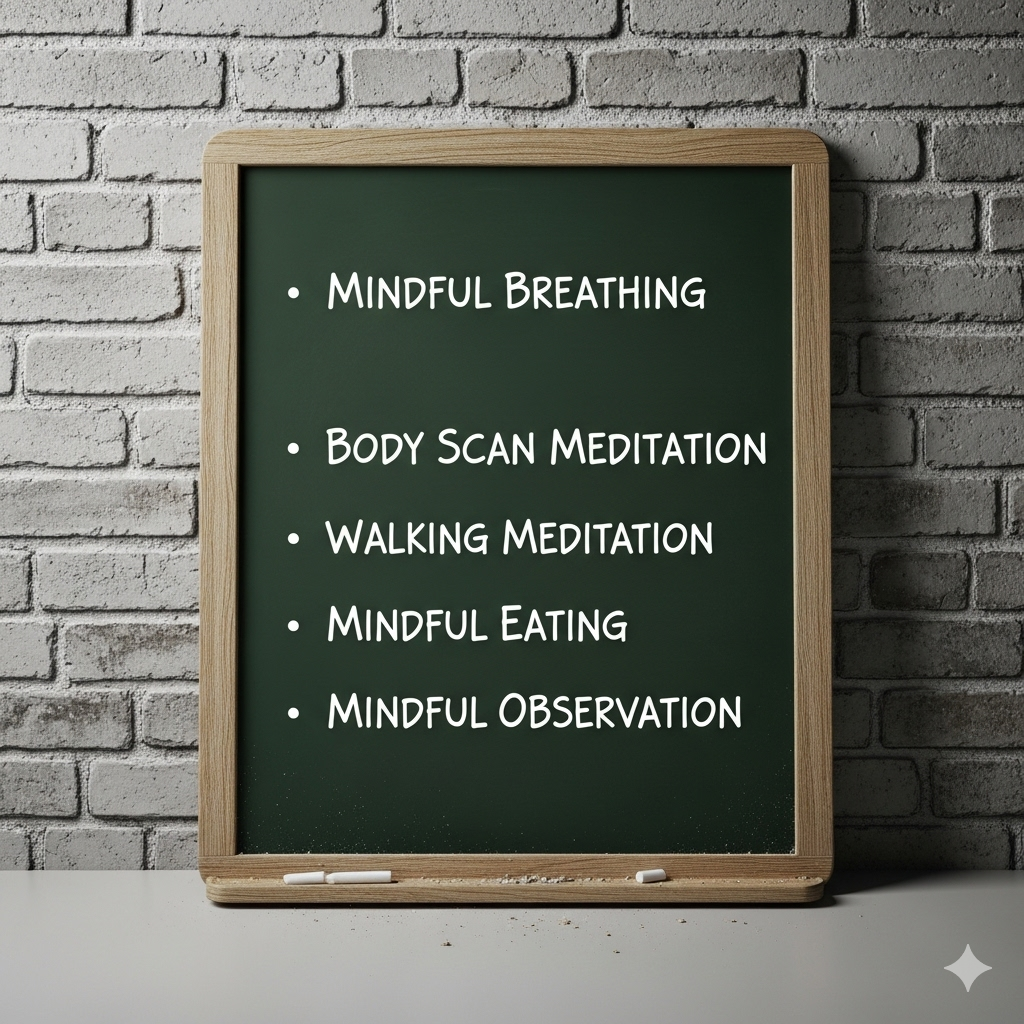
The five core factors of mindfulness can be practiced formally or informally, making it accessible to everyone.
The 5 Factors of Mindfulness Practices
1. Mindful Breathing
One of the simplest mindfulness practices involves focusing on the rhythm of your breath. Feeling the inhale and exhale grounds you in the present, quiets the mind, and reduces stress.
2. Body Scan Meditation
This technique asks you to bring awareness to different areas of the body. From head to toe, you notice sensations without judgment, allowing relaxation and a deeper mind-body connection.
3. Walking Meditation
Instead of walking on autopilot, mindfulness encourages awareness of every step. Notice how your feet connect with the ground, the rhythm of your body, and the environment around you.
4. Mindful Eating
Rather than rushing through meals, mindful eating teaches you to slow down and savor every bite—focusing on texture, flavor, and the body’s natural hunger signals.
5. Mindful Observation (Informal Practices)
Mindfulness isn’t limited to meditation sessions. Everyday actions—like noticing the morning air, sipping coffee, or setting a daily intention—can turn ordinary moments into mindful ones.
Informal Mindfulness Practices
-
Notice the Everyday: Pay attention to small details like sounds, smells, or textures in daily life.
-
Set Intentions: Start your day by committing to patience, focus, or kindness.
-
Mindful Communication: Speak with clarity and listen with presence.
-
STOP Method: Stop, Take a breath, Observe, Proceed—a quick reset tool for stress.
Benefits of Mindfulness
-
Stress Reduction: Helps manage anxiety, stress, and depression.
-
Improved Focus: Enhances attention span and memory recall.
-
Emotional Awareness: Encourages observing thoughts without overreacting.
-
Better Physical Health: Linked to lower blood pressure and reduced inflammation.
-
Brain Development: Long-term practice strengthens cognitive flexibility.
Conclusion
The five factors of mindfulness—breathing, body scan, walking meditation, mindful eating, and mindful observation—offer powerful tools for personal growth. Whether practiced through formal meditation or informal daily awareness, mindfulness supports better focus, emotional balance, and overall well-being.