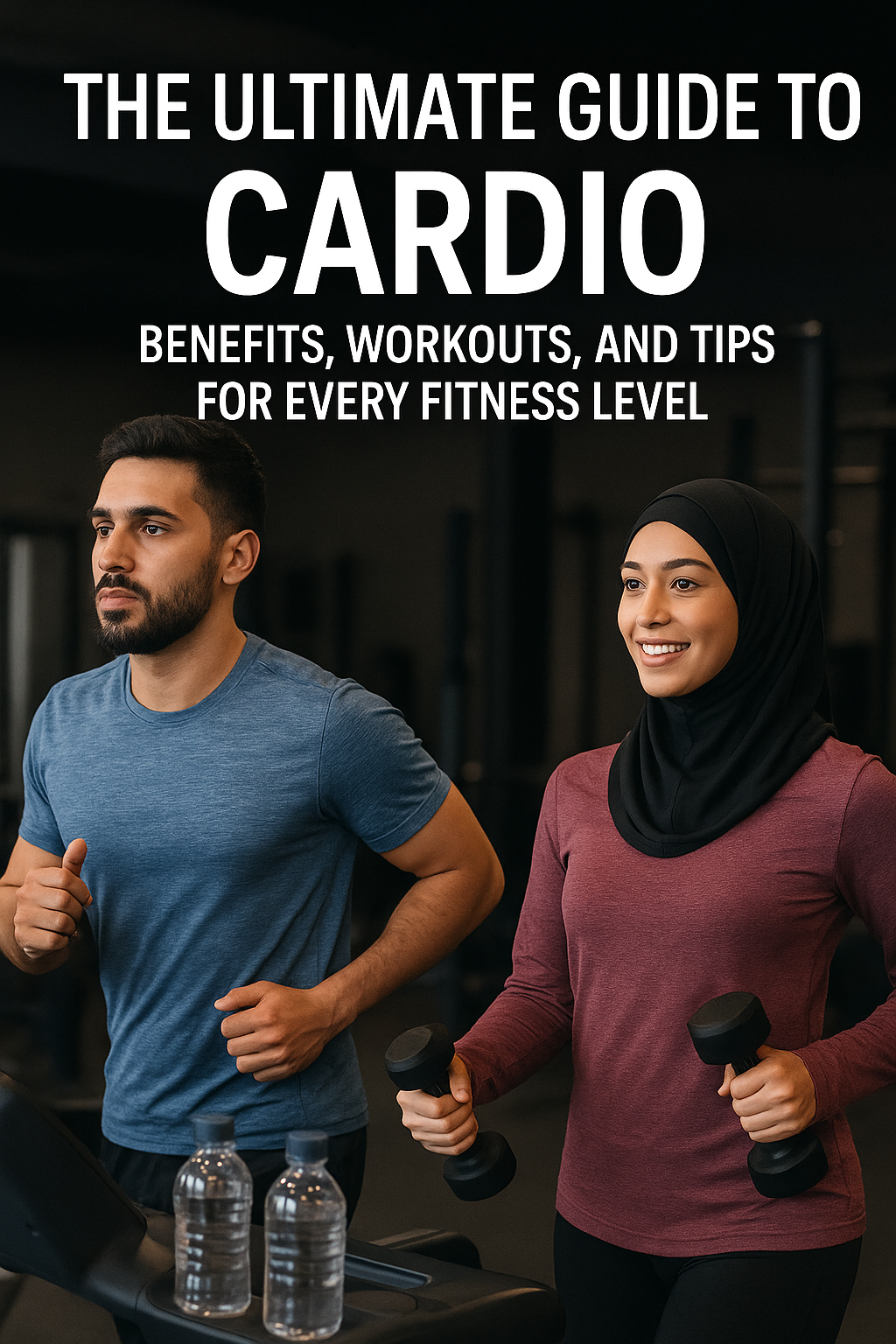

Introduction to Cardio
Cardio, short for cardiovascular exercise, refers to any rhythmic, sustained activity that elevates your heart rate and breathing. Its main goal is to challenge the heart and lungs to work more efficiently, thereby improving endurance, circulation, and overall fitness.
Whether it’s brisk walking outdoors, running on a treadmill, swimming laps, or dancing in your living room, cardio is accessible and versatile. The beauty of this form of exercise lies in its adaptability—you can choose low-impact options if you’re just starting out or more advanced, high-intensity workouts if you want to push your limits.
At its core, cardio isn’t just about burning calories. It plays a vital role in maintaining a strong heart, supporting lung function, managing stress, and reducing the risk of chronic illnesses.
Benefits of Cardio for Overall Health
Cardio is often called the cornerstone of fitness because its benefits extend well beyond physical appearance. Regular sessions can:
-
Strengthen the Heart: The heart becomes more efficient at pumping blood, reducing strain and improving circulation.
-
Improve Lung Function: Cardio enhances your lungs’ ability to take in oxygen and expel carbon dioxide.
-
Regulate Blood Pressure & Cholesterol: It helps lower “bad” LDL cholesterol and raise “good” HDL cholesterol, while also reducing blood pressure.
-
Support Metabolic Health: By regulating blood sugar and insulin, cardio helps prevent and manage type 2 diabetes.
-
Boost Immunity: Physical activity enhances immune response, making you less prone to infections.
These benefits accumulate over time, meaning even moderate, consistent activity pays dividends in long-term health.
Different Types of Cardio Exercises
Cardio workouts are any movements that elevate your heart rate and strengthen your cardiovascular system. These can range from low-impact activities like walking, cycling, or swimming to more vigorous options such as running, jumping rope, or interval-based training. The right choice depends on your fitness level, preferences, and any physical limitations, since options like hiking, stair climbing, elliptical training, and even team sports can also provide excellent benefits.
Popular Cardio Options
-
Walking or Running: Straightforward and effective for building stamina.
-
Cycling: Gentle on the joints, whether outdoors or on a stationary bike.
-
Swimming: A low-impact, full-body exercise suitable for most fitness levels.
-
Dancing: Both fun and social, from Zumba to kickboxing-inspired routines.
-
Jump Rope: A portable, high-intensity option that boosts coordination.
-
Rowing: Targets multiple muscle groups while improving endurance.
-
Elliptical Machines: Low-impact, making them ideal for reducing joint stress.
-
Stair Workouts: Excellent for strength and cardiovascular endurance.
-
Hiking: Outdoor cardio that becomes more challenging with uphill terrain.
Other Effective Styles
-
HIIT (High-Intensity Interval Training): Combines bursts of effort with recovery.
-
Calisthenics: Bodyweight exercises like burpees and jumping jacks.
-
Sports: Soccer, basketball, and tennis double as cardio and social activity.
-
Circuit Training: A structured routine that blends cardio and strength with minimal rest.
Tips for Choosing Cardio
-
Match your level: Begin with lower-impact activities and progress gradually.
-
Protect your body: Select joint-friendly exercises if you have mobility concerns.
-
Pick what you enjoy: The best cardio is the one you’ll stick with long-term.
-
Keep it varied: Mixing activities challenges different muscles and prevents boredom.
Cardio for Weight Loss and Fat Burning
Cardio is a well-known tool for weight management because it burns calories while improving metabolic efficiency.
-
Fuel Sources: Your body uses glycogen (stored carbs) first, then taps into fat reserves as the session continues.
-
Fat-Burning Zone vs High-Calorie Burn: Moderate-intensity cardio burns a higher percentage of fat, while high-intensity workouts burn more total calories.
-
Examples: Running, cycling, HIIT sessions, and swimming are especially effective for calorie expenditure.
Consistency is key. A mix of moderate and high-intensity workouts ensures steady fat loss while avoiding plateaus.
Low-Intensity vs High-Intensity Cardio Workouts
LISS involves maintaining a steady, moderate level of effort for an extended time, usually keeping your heart rate at 50–65% of its maximum. It’s beginner-friendly, less stressful on the joints, and helps build endurance gradually.
Examples of LISS Workouts
-
Brisk walking
-
Leisure cycling
-
Light swimming
-
Low-intensity dance sessions
Benefits of LISS Cardio
-
Supports fat burning during activity
-
Easier on muscles and joints
-
Improves cardiovascular efficiency over time
-
Sustainable and easy to stick with
Considerations for LISS
-
Requires longer sessions to see results
-
Less time-efficient compared to HIIT
What is High-Intensity Interval Training (HIIT)?
HIIT alternates between short bursts of maximum effort and brief recovery periods. It’s designed to push your cardiovascular and muscular limits in less time.
Examples of HIIT Workouts
-
Sprint intervals
-
Burpees
-
Jump rope circuits
-
Treadmill or bike sprints
Benefits of HIIT Cardio
-
Burns more calories in a shorter time
-
Builds stamina and strength quickly
-
Increases metabolism after workouts
-
May improve insulin sensitivity
Considerations for HIIT
-
More demanding on muscles and joints
-
Higher risk of injury if not performed correctly
-
Not ideal for beginners or those with chronic health issues
Which Cardio Should You Choose?
-
For beginners or recovery: LISS is the safest starting point.
-
For time efficiency: HIIT provides faster results but should be eased into gradually.
-
For balanced fitness: A mix of both LISS and HIIT delivers the most comprehensive benefits.
-
For health concerns: Always consult a doctor before beginning a new routine, especially with underlying conditions.
How Much Cardio Should You Do Weekly?
Health organizations recommend:
-
150 minutes of moderate-intensity cardio per week (e.g., 30 minutes, 5 days).
-
75 minutes of vigorous-intensity cardio per week for those who prefer shorter, more intense sessions.
-
Additional benefits appear with up to 300 minutes of moderate activity weekly.
Your exact amount should reflect your goals—weight loss, endurance training, or general fitness.
Best Cardio Exercises for Beginners
For those new to exercise, low-impact activities are the safest way to build stamina without putting unnecessary stress on the joints. Walking, cycling, and swimming are excellent choices, along with beginner-friendly variations of dancing, treadmill walking, or using an elliptical. Starting gradually and progressing at your own pace helps prevent injury and keeps motivation high.
Low-Impact Cardio Exercises for Beginners
Walking or Power Walking
One of the simplest ways to get moving—no equipment required. Beginners can start with short sessions and progressively increase speed or distance to challenge themselves over time.
Cycling
Whether on a stationary bike or outdoors, cycling offers a joint-friendly cardio workout that can easily be adapted to any fitness level.
Swimming
Swimming provides a full-body workout while keeping impact on the joints minimal. It’s especially effective for improving cardiovascular endurance and lung capacity.
Elliptical Training
Using an elliptical machine offers a smooth, low-impact movement pattern that mimics walking or running, making it perfect for indoor cardio.
Other Beginner-Friendly Cardio Choices
Modified Jumping Jacks
Classic jumping jacks can be adjusted to lower intensity—for example, stepping side-to-side instead of full jumps.
Dancing
From simple aerobic moves to freestyle dancing, this is a fun way to elevate your heart rate and keep workouts enjoyable.
Jogging in Place
An accessible option for small spaces, jogging in place boosts circulation and can double as a warm-up.
Treadmill Walking or Incline Training
Walking on a treadmill allows you to easily adjust pace and incline, providing variety and progression without switching exercises.
Tips for Building a Beginner Cardio Routine
Start Small and Progress Gradually
Begin with shorter sessions—10 to 15 minutes—and slowly extend duration and intensity as your fitness improves.
Be Consistent and Patient
Results take time. Focus on small achievements and stick with a schedule rather than expecting immediate changes.
Add Variety for Balance
Mix in different forms of cardio along with activities like yoga or strength training to avoid monotony and prevent overuse injuries.
Choose Based on Your Goals
Select exercises that align with your lifestyle—whether your aim is to build stamina, improve heart health, or transition toward running later on.
Cardio for Heart and Lung Health
Cardio directly benefits cardiovascular and respiratory systems:
-
Heart Strength: Stronger contractions improve blood circulation.
-
Blood Pressure Control: Reduces both systolic and diastolic readings.
-
Improved Lung Capacity: Enhances oxygen intake and reduces shortness of breath over time.
-
Disease Prevention: Decreases risk of heart disease, stroke, and diabetes.
Even modest activity—like a brisk 20-minute walk—makes a measurable difference.
Indoor vs Outdoor Cardio Workouts
Benefits of Training Indoors
-
Consistent Environment: Exercising indoors protects you from rain, wind, heat, or cold, making it easier to stick to your routine year-round.
-
Access to Equipment: Gyms and fitness centers provide machines like treadmills, ellipticals, and stationary bikes that you typically won’t find outdoors.
-
Safety and Predictability: Indoor spaces eliminate risks from traffic, poor lighting, or uneven ground, offering a more secure workout setting.
-
Community and Focus: Training in gyms or fitness studios can help you stay motivated by being around like-minded individuals and enjoying a structured environment.
Drawbacks of Indoor Cardio
-
Lack of Stimulation: The repetitive indoor setting may feel monotonous compared to exercising in changing outdoor environments.
-
No Sunlight Exposure: Staying indoors means missing out on natural sunlight and the Vitamin D benefits it provides.
-
Potential Interruptions at Home: If working out at home, distractions like family, pets, or phone calls can break focus.
Outdoor Cardio Workouts
Benefits of Training Outdoors
-
Boosts Mood and Energy: Being outdoors exposes you to fresh air and nature, which can lower stress levels and improve overall mental health.
-
Motivation Through Environment: Scenic routes, varied terrain, and open space can make workouts feel less demanding and more enjoyable.
-
Natural Vitamin D Source: Sunlight helps the body produce Vitamin D, essential for healthy bones and a strong immune system.
-
Variety in Terrain: Running, walking, or cycling on different surfaces such as grass, trails, or roads can improve balance and coordination.
Drawbacks of Outdoor Cardio
-
Weather Challenges: Rain, heat, snow, or wind can disrupt outdoor workout plans.
-
Safety Risks: Uneven terrain, traffic, or polluted areas may increase the risk of injury or discomfort.
-
Limited Equipment: Outdoor training typically relies on bodyweight or portable gear, lacking the variety of machines available indoors.
-
Impact on Joints: Hard or irregular surfaces may put extra strain on knees and ankles.
Which Should You Choose?
Both indoor and outdoor cardio can effectively strengthen your heart, improve endurance, and aid in weight management. The best option depends on your preferences, accessibility, and what keeps you motivated. For many people, a combination of both—using the gym for consistency and the outdoors for variety—offers the most balanced approach.
Cardio Equipment You Can Use at Home or Gym
Not everyone needs a gym membership. Useful options include:
-
Treadmills and Walking Pads
-
Stationary or Under-desk Bikes
-
Rowing Machines
-
Ellipticals
-
Jump Ropes or Step Platforms
Small spaces can still accommodate effective cardio with compact tools like resistance bands or medicine balls.
How to Combine Cardio with Strength Training
Blending cardio with strength training can be done in several ways—through circuits, HIIT, alternating days, or hybrid workouts. The key is to plan based on your goals while giving your body enough recovery time. Spacing out high-intensity sessions by a few hours (or days) helps improve results and lowers the risk of overtraining.
Effective Methods for Mixing Cardio and Strength
Circuit Training
In a circuit, you move from one exercise to another with little to no rest. For example, pairing squats with jumping jacks, then push-ups followed by burpees. This approach keeps the heart rate up while building strength.
High-Intensity Interval Training (HIIT)
HIIT routines often mix explosive cardio intervals with strength-based moves. It’s an efficient way to challenge endurance and muscles in a short workout session.
Alternating Days
Another strategy is to dedicate some days to cardio and others to strength training. If doing both in one day, try to separate them by at least 4–6 hours to avoid excessive fatigue.
Hybrid Sessions
This method involves performing one type of exercise immediately after the other—such as running first and then moving into a weight-training session.
Tips for Success
Listen to Your Body
Pay attention to energy levels, soreness, and signs of fatigue. Adjust intensity when needed to avoid injury or burnout.
Prioritize Rest
Muscle recovery is essential when combining training styles. Schedule rest days or light sessions to allow proper repair.
Nutrition Matters
Fuel workouts with adequate protein and calories to support strength gains and recovery from cardio sessions.
Train Smartly
When doing both in one workout, start with the training type that matches your primary goal (strength first if building muscle, cardio first if improving endurance).
Balance Intensity Across the Week
Mix challenging days with lighter sessions to prevent overtraining while still progressing in both strength and cardiovascular fitness.
Cardio for Mental Health and Stress Relief
Beyond physical benefits, cardio is a proven mood enhancer.
-
Endorphin Release: Elevates mood and reduces stress.
-
Neurotransmitter Boost: Improves serotonin and dopamine balance, crucial for mental health.
-
Better Sleep: Regular cardio promotes deeper, more restorative sleep.
-
Reduced Anxiety & Depression Symptoms: Provides natural relief, especially when paired with consistent routines.
Even a short daily walk can work wonders for emotional resilience.
Final Thoughts
Cardio is more than a workout—it’s a foundation for lifelong health. From strengthening your heart and lungs to improving mood, sleep, and overall energy, its benefits reach far beyond physical appearance. Whether you choose low-impact walking, challenging HIIT, or a mix of indoor and outdoor activities, the key is consistency, balance, and enjoyment.
Find cardio that excites you, start at your own pace, and build gradually. Over time, these small, steady steps will not only improve fitness but also enhance quality of life.
In essence, cardio isn’t just exercise—it’s an investment in a healthier, stronger, and more resilient you.