
Introduction
For many young women, especially those around 20 years old who identify as plus-size or overweight, fitness can feel intimidating. Gyms may seem overwhelming, expensive, or uncomfortable, but that doesn’t mean progress is impossible. In fact, some of the best workouts can be done at home with little to no equipment.
This article is written to empower 20-year-old fat girls (plus-size young women) who want to take charge of their health and body confidence without stepping into a gym. It will guide you step-by-step through the essentials of how to workout at home—covering realistic strategies, safe exercises, mental health support, and lifestyle adjustments.
Why Home Workouts Are Perfect for Plus-Size Beginners
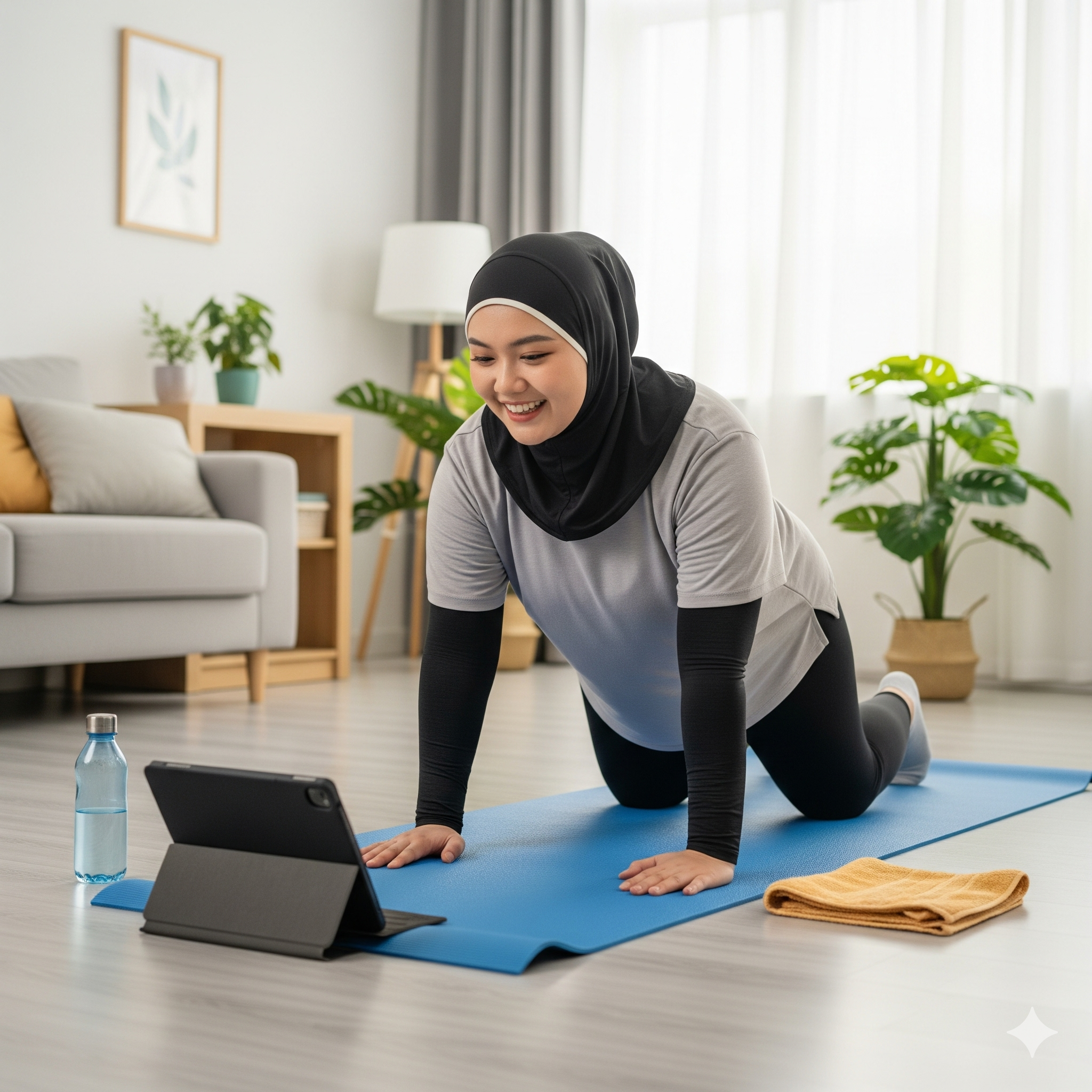
Home workouts are especially well-suited for plus-size beginners because they combine privacy, accessibility, and adaptability in a safe environment. Exercising at home removes the pressure of a public gym, giving individuals the freedom to move at their own speed while focusing on form and consistency. This supportive setup encourages confidence and makes it easier to build long-term fitness habits.
Why home workouts are a great choice
-
Comfort and Privacy: Exercising at home creates a relaxed, judgment-free space where beginners can feel more comfortable and confident.
-
Personalized Approach: Workouts can be tailored to one’s own pace and current ability, ensuring exercises are safe and manageable.
-
Joint-Friendly Options: Many at-home routines emphasize low-impact movements such as marching, stretching, or modified strength training, which are gentle on the joints.
-
Time-Saving Convenience: With no need to travel to a gym, home fitness routines fit easily into a busy day, making consistency more achievable.
-
Strong Foundation Building: Beginners can practice simple, full-body movements that improve strength and technique without overwhelming complexity.
-
No Equipment Required: Many effective exercises rely solely on body weight, making fitness affordable and accessible without purchasing gear.
-
Room for Growth: As endurance and strength improve, workouts can gradually become more challenging, ensuring steady progress over time.
Setting the Right Mindset
Before starting any workout, mindset matters more than motivation. Here’s how to build the right foundation:
-
Focus on progress, not perfection. You don’t need to exercise like an athlete—just be consistent.
-
Celebrate small wins. Even five minutes of activity counts.
-
Be patient. Weight loss or fitness results don’t happen overnight.
-
Prioritize health over looks. Confidence and strength will grow naturally.
What You Need Before You Begin
-
Comfortable clothing: Loose, breathable outfits.
-
Water bottle: Hydration is key.
-
Mat or carpet: To protect joints during floor exercises.
-
Chair or wall: For support during balance exercises.
-
Music or timer: Keeps the session engaging and structured.
Main Types of Workouts at Home
To design a complete home routine, it’s best to combine three categories of exercise:
1. Cardio (Fat-Burning Workouts)
Cardio helps burn calories and improve heart health. At home, try:
-
Marching in place (5–10 minutes)
-
Step-ups using stairs or a sturdy platform
-
Dance workouts (Zumba, YouTube guided routines)
-
Jump rope (if joints allow)
2. Strength Training (Body Toning)
Strength exercises build lean muscle, which boosts metabolism. Examples:
-
Wall push-ups – easier on wrists and arms
-
Seated leg lifts – strengthens lower body
-
Glute bridges – tones hips and butt
-
Chair squats – builds leg power without strain
3. Flexibility and Balance
Stretching prevents injuries and improves posture.
-
Cat-cow stretch (spine flexibility)
-
Seated hamstring stretch
-
Side bends for waist mobility
-
Yoga basics like child’s pose or warrior pose
Sample 30-Minute Home Workout Plan
Here’s a realistic routine designed for a 20-year-old plus-size beginner:
Warm-Up (5 min):
-
March in place
-
Arm circles
-
Neck rolls
Workout (20 min):
-
Chair squats – 10 reps
-
Wall push-ups – 8 reps
-
Step-ups (stairs or platform) – 1 min
-
Glute bridges – 10 reps
-
Dance or jog in place – 2 min
Repeat the circuit twice.
Cool-Down (5 min):
-
Seated hamstring stretch
-
Side bends
-
Deep breathing
Nutrition Tips for Plus-Size Girls at 20
For 20-year-old plus-size girls, nutrition plays a vital role in supporting both health and fitness goals. A balanced eating plan should emphasize whole, nutrient-dense foods, moderate portion sizes, and steady hydration. Choosing meals rich in lean proteins, colorful fruits, fresh vegetables, whole grains, and healthy fats can boost energy, aid weight management, and improve overall well-being. At the same time, limiting processed snacks, sugary drinks, and high-calorie packaged foods helps maintain a healthier lifestyle.
Key Nutrition Guidelines
Prioritize Whole Foods:
Base your meals on natural, unprocessed foods that provide essential vitamins and minerals.
Eat More Fruits and Vegetables:
These supply fiber, antioxidants, and natural sweetness that can replace sugary desserts.
Choose Lean Proteins:
Include foods like eggs, fish, chicken, beans, and cottage cheese to support muscle repair and satiety.
Incorporate Nuts and Seeds:
Almonds, chia seeds, or sunflower seeds offer a mix of protein, fiber, and heart-healthy fats.
Switch to Whole Grains:
Opt for oats, brown rice, and quinoa instead of refined bread, pasta, or white rice to improve digestion and metabolism.
Foods to Limit
Cut Down on Added Sugars:
Avoid sweetened drinks, candies, and processed desserts that add empty calories.
Reduce Processed Items:
Packaged and fast foods often contain unhealthy fats, excess salt, and hidden sugars that can slow progress.
Smart Eating Habits
Practice Portion Control:
Use smaller plates, mindful eating, or pre-portioned meals to avoid overeating.
Stay Hydrated:
Aim to drink water regularly throughout the day to aid digestion and reduce cravings.
Lifestyle Considerations
Know Your Calorie Range:
Women between 19–25 generally need around 2,000–2,400 calories daily, though personal activity level and goals may change this.
Adopt a Holistic Approach:
Combine healthy eating with consistent movement, quality sleep, and stress management for long-term success.
Staying Motivated at Home
-
Track progress: Take weekly notes or pictures.
-
Use apps or YouTube: Free guided workouts keep things interesting.
-
Buddy up online: Join support groups for accountability.
-
Reward yourself: Celebrate milestones (new clothes, skincare, books).
Challenges Plus-Size Girls Face—and How to Overcome Them
Many plus-size 20-year-old girls deal with struggles that extend beyond physical health. Issues tied to body image, confidence, and social judgment often affect daily life. From facing stereotypes to feeling excluded in public spaces, these challenges can impact both mental and emotional well-being. Recognizing these difficulties is the first step toward overcoming them.
Body Image and Self-Esteem
-
Negative self-talk: Years of exposure to unrealistic beauty standards in media can lead to internalized shame and constant criticism of one’s body.
-
Distorted self-perception: Some may develop body dysmorphia, where they focus more on perceived flaws rather than their strengths.
-
Unwanted comments: Family, peers, and even strangers may give unsolicited opinions on weight, which can be emotionally draining.
Fashion and Public Perception
-
Limited clothing options: Many fashion brands offer only a small range of plus-size clothing, making it harder to find stylish, well-fitting outfits.
-
Visibility struggles: Plus-size women may feel overlooked socially or, on the opposite end, overly noticed and judged purely for their size.
-
Seating concerns: Anxiety about not fitting into chairs at restaurants, cinemas, or public transport can discourage participation in social activities.
Social Life and Relationships
-
Fear of being judged: Many avoid events, gyms, or group activities due to worries about stares or criticism.
-
Dating challenges: Concerns about being fetishized or not seen as attractive can create hesitation around relationships.
-
“Gymtimidation”: Intimidation in fitness environments often prevents plus-size girls from exercising, even when they want to.
How to Overcome These Obstacles
While the challenges are real, there are powerful strategies to rebuild confidence, self-love, and social strength.
Build Self-Acceptance and Confidence
-
Prioritize your needs: Treat yourself to clothes, skincare, or activities that make you feel valued right now—not just after weight loss.
-
Practice compassion: Replace harsh self-talk with kind affirmations, reminding yourself of your worth beyond appearance.
-
Appreciate your body: Focus on what your body enables you to do daily—walk, laugh, dance, or hug loved ones—rather than how it looks.
Create a Positive Environment
-
Filter your media feed: Unfollow harmful accounts and fill your social platforms with body-positive voices that reflect real, diverse beauty.
-
Build support networks: Surround yourself with friends, family, or communities that uplift you and set boundaries with anyone who makes you feel small.
-
Choose joyful movement: Exercise doesn’t need to be punishment. Pick activities you enjoy—swimming, yoga, or dancing—to build confidence while staying active.
Practical Steps for Everyday Life
-
Redefine fashion for yourself: Donate clothes that don’t serve you anymore and invest in pieces that make you feel stylish and empowered.
-
Seek inclusive brands: Online and boutique stores now offer trendy, size-inclusive collections. Don’t hesitate to try bold styles and experiment.
-
Own your space: Never shrink yourself to fit in. You deserve to sit comfortably, move freely, and participate fully in every space without apology.
Mental Health Benefits of Working Out
For many plus-size young women, fitness is not just about physical transformation. Exercise also:
-
Reduces stress and anxiety
-
Improves sleep quality
-
Boosts self-esteem
-
Increases focus for studies or work
Building a Long-Term Vision Beyond Weight Loss
At 20, the focus of your fitness journey shouldn’t only be about dropping numbers on the scale—it should be about creating lifelong habits that enhance overall health, confidence, and resilience. The real goal is to develop a lifestyle that supports heart health, metabolic function, mental well-being, and physical strength while making movement and balanced nutrition enjoyable parts of everyday life.
Look Beyond the Scale: Prioritize Health & Well-being
Cardiovascular and Metabolic Fitness
Strong heart and lung function, along with stable metabolism, are key to preventing conditions like diabetes, hypertension, and heart disease. Studies show that staying physically active reduces long-term health risks far more than weight loss alone.
Mental Health Matters
Young adulthood can bring stress, social pressure, and anxiety. Regular exercise, balanced eating, and self-care routines help reduce depression, ease stress, and break cycles of unhealthy habits.
Strength and Muscle Building
Incorporating resistance training—whether bodyweight, bands, or weights—supports lean muscle growth. This not only shapes your physique but also boosts metabolism and protects long-term mobility.
Sustainable Lifestyle Habits to Adopt
Enjoy Movement You Love
Consistency is easier when exercise feels fun. Dancing, hiking, cycling, or yoga are great ways to stay active without feeling forced into a routine.
Smart Nutrition Choices
Instead of strict dieting, focus on balanced meals with protein, fiber, and healthy fats. Mindful portion control can naturally lower calorie intake while still keeping meals satisfying.
Stress Management
Chronic stress fuels weight gain and poor eating choices. Coping methods like journaling, meditation, or hobbies can help regulate both mood and appetite.
Quality Sleep
Restorative sleep allows the body to recover, regulate hormones, and maintain energy. Aim for 7–9 hours consistently to support physical and mental health.
Shifting Your Mindset for Long-Term Success
Set Achievable Goals
Rather than chasing fast results, focus on gradual improvements—more energy, better stamina, or lifting heavier weights. These create lasting motivation.
Focus on Core Habits
Prioritize the “big three”: balanced nutrition, regular movement, and strength training. These areas have the most impact and will naturally support weight management.
Practice Patience and Self-Kindness
Slip-ups will happen, but they don’t define your journey. What matters is returning to your healthy routine without guilt or self-criticism.
At 20 years old, your fitness journey is only beginning. Home workouts are not just about burning fat—they’re about building habits that carry into your 30s, 40s, and beyond. By starting small today, you’re investing in stronger bones, better heart health, and lifelong confidence.
Final Thoughts
Starting a fitness journey at 20 as a plus-size young woman is not about fitting into unrealistic standards—it’s about building confidence, health, and strength in a way that feels sustainable and empowering. Home workouts provide a safe, affordable, and flexible way to stay consistent without the pressure of a gym. Combined with balanced nutrition, mindful habits, and self-compassion, these small daily efforts will lead to big long-term results.
Remember, your journey is unique—progress may be gradual, but every step forward matters. Celebrate your wins, listen to your body, and keep focusing on health, happiness, and self-love. With patience and dedication, you’re not just working out at home—you’re shaping a lifestyle that supports both physical and mental well-being for years to come.