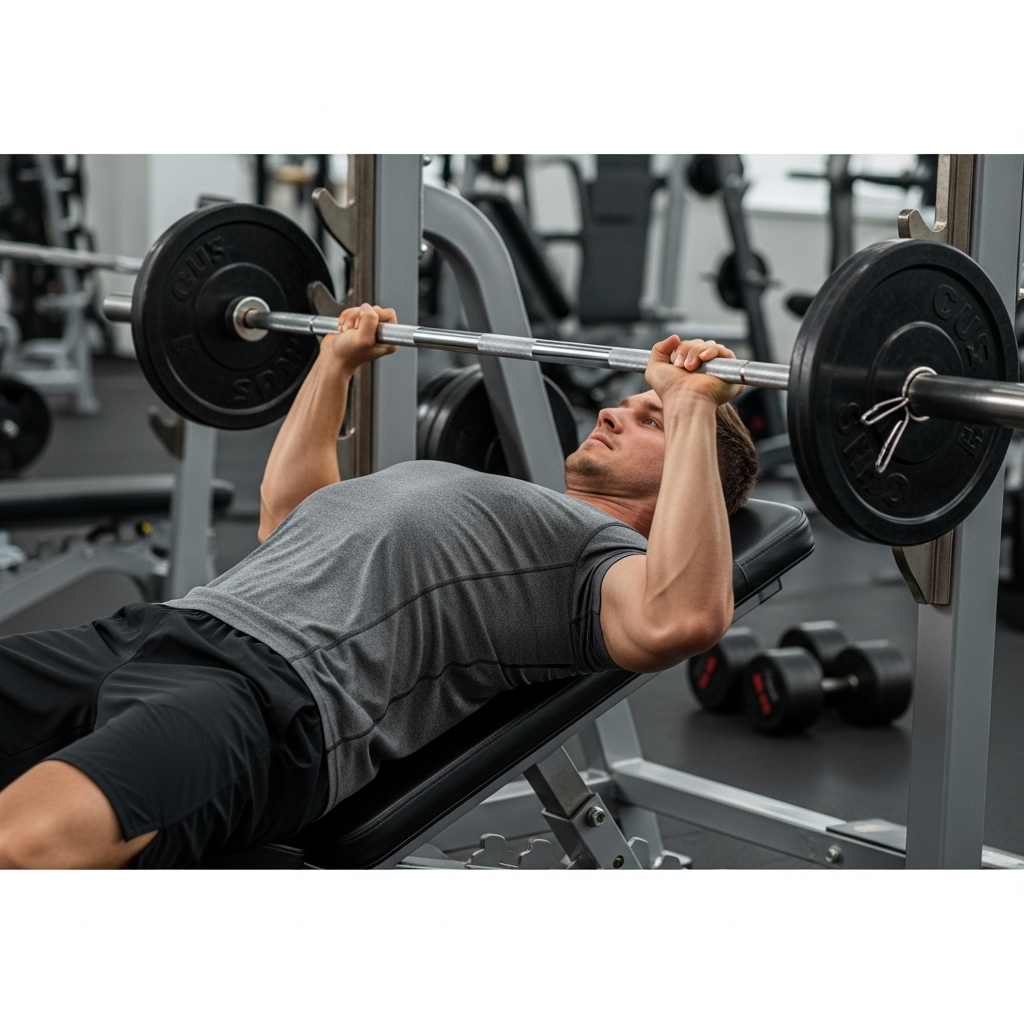

Strength training involves countless variations of presses, each with its own purpose. The incline press is one of the most effective movements for building the upper chest, improving pressing power, and balancing aesthetics. Unlike the flat bench press, which emphasizes the mid-pecs, the incline press shifts the workload toward the upper portion of the chest and shoulders, creating a fuller, well-rounded look.
This article explores everything you need to know about the incline press, including angles, techniques, benefits, and common mistakes to avoid.
What is the Incline Press Good For?
The incline press is a compound exercise performed on a bench set at an angle. It primarily targets the clavicular head of the pectoralis major—commonly referred to as the upper chest.
Key benefits include:
-
Upper chest development: The incline angle directs resistance toward the clavicular fibers.
-
Shoulder engagement: It works the anterior deltoids more than the flat bench press.
-
Strength balance: It prevents an overdeveloped mid or lower chest by adding proportional mass.
-
Functional carryover: Builds pressing power useful for sports, pushing motions, and overhead strength.
Unlike the overhead press, which heavily stresses the shoulders, the incline press offers a middle ground, balancing chest and shoulder activation.
30° vs. 45° Incline Press: Which is Better?
One of the most common questions lifters ask is: Should I set the bench at 30° or 45°?
-
30-degree incline:
-
Places slightly more emphasis on the upper chest.
-
Reduces shoulder strain.
-
Best for individuals prioritizing chest growth.
-
-
45-degree incline:
-
Increases shoulder involvement.
-
Still works the upper chest, but with more front delt activation.
-
Useful for lifters who also want to improve pressing strength for overhead lifts.
-
Verdict: Most lifters find 30 degrees optimal for targeting the chest, while 45 degrees creates a balance of chest and shoulder engagement.
Is 45° or 60° Better for Shoulder Press?
When discussing shoulder development, higher angles come into play.
-
45 degrees: Still recruits the chest significantly, while also activating shoulders.
-
60 degrees: Closely resembles an overhead press, shifting stress onto the shoulders and upper traps.
If your goal is shoulder hypertrophy, 60° is a stronger choice. But for balanced chest-to-shoulder development, 45° is often more efficient.
How to Do the Incline Chest Press
Performing the incline press with proper form ensures safety and maximum muscle activation.
Step-by-step guide:
-
Set the bench angle: Adjust to 30–45 degrees depending on your goal.
-
Grip the barbell (or dumbbells): Hands should be slightly wider than shoulder-width.
-
Unrack and position: Keep your wrists straight and shoulders retracted.
-
Lower under control: Bring the bar to the upper chest, just below the collarbone.
-
Press upward: Drive the bar or dumbbells back to the starting position without locking out forcefully.
Form tips:
-
Keep feet flat on the floor for stability.
-
Avoid flaring elbows excessively to reduce shoulder stress.
-
Maintain a slight arch in the lower back without overextending.
Incline Press Machine: A Guided Alternative
The incline press machine is a great option for beginners or those focusing on muscle isolation. Machines provide controlled movement, removing balance challenges and allowing safe overload.
Advantages of incline machines:
-
Guided path reduces injury risk.
-
Easier to adjust weight between sets.
-
Focuses tension on the upper chest without worrying about stability.
For bodybuilders, the machine variation complements free-weight presses, ensuring the clavicular pecs are fully engaged.
Incline Bench Press: Exercise Guide & Tips
1. Warm-Up Before Pressing
Dynamic stretches and light sets prime the shoulders and chest for heavier loads.
2. Use Dumbbells and Barbells
-
Barbell incline press: Allows heavier weights and progression tracking.
-
Dumbbell incline press: Offers greater range of motion and reduces muscle imbalances.
3. Control Tempo
Slow, controlled reps increase time under tension, leading to better hypertrophy.
4. Adjust Volume and Intensity
-
Strength goals: 4–6 reps with heavier loads.
-
Hypertrophy: 8–12 reps with moderate weight.
-
Endurance: 12–15 reps with lighter resistance.
5. Incorporate Into Training Programs
Incline press works best as an early chest exercise, when your muscles are fresh.
Common Mistakes to Avoid
-
Too steep angle: Turning the movement into more of a shoulder press.
-
Excessive arching: Reduces chest involvement and risks injury.
-
Bouncing the bar: Eliminates tension on muscles, increases joint strain.
-
Neglecting scapular control: Leads to shoulder impingement and poor chest activation.
Final Thoughts
The incline press is one of the most valuable pressing variations for anyone aiming to build a balanced chest and stronger upper body. A 30–45° incline is ideal for chest development, while 60° is best reserved for shoulders.
Whether using barbells, dumbbells, or machines, the incline press provides a unique compromise between flat bench and overhead press. By understanding the angles, form, and progression strategies, you can maximize gains while avoiding common pitfalls.
Incorporating the incline press into your routine ensures you develop a full, well-rounded chest that complements strength, aesthetics, and athletic performance.