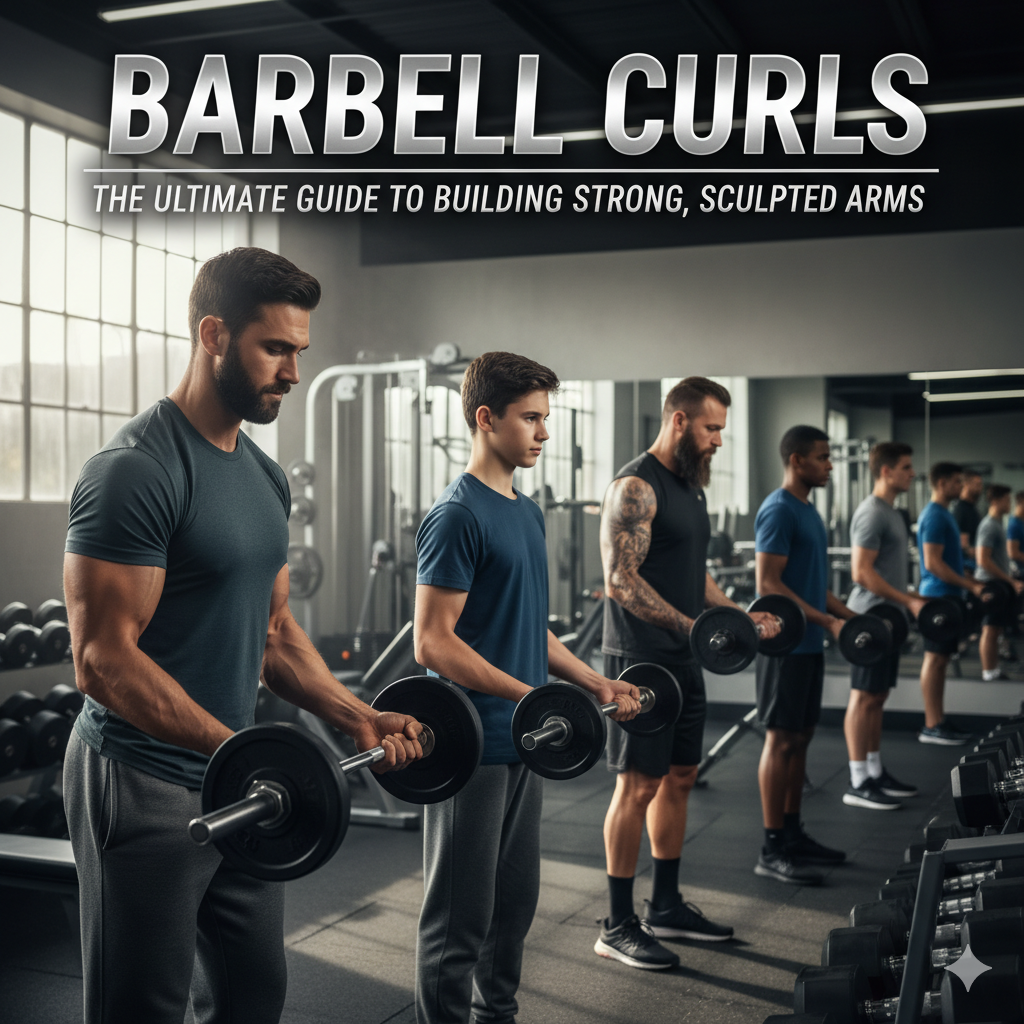

When it comes to building strong and defined arms, understanding barbell curl benefits is essential. This classic exercise targets the biceps directly, helping you gain muscle size, improve arm strength, and enhance overall upper-body aesthetics. But achieving these results depends on more than just picking up a bar. You also need to consider the barbell curl weight you’re using. Lifting too heavy can compromise form and increase the risk of injury, while too light won’t challenge your muscles enough. Striking the right balance ensures maximum growth and safer workouts.
Equally important is mastering the barbell curl technique. Proper posture, controlled motion, and keeping your elbows close to your torso are key factors that make every rep effective. Even small adjustments can drastically improve results over time. For those looking to combine intensity with structure, the 7 7 7 workout can be a game-changer. This method involves performing sets in a specific 7-rep pattern that pushes your muscles without overexertion, making it perfect for bicep-focused routines. By integrating the right weight, solid technique, and innovative approaches like the 7 7 7 workout, you can maximize your barbell curl benefits and build stronger, more sculpted arms efficiently.
What Are Barbell Curls?
Barbell curls are a strength training exercise that primarily targets the biceps brachii, the muscle on the front of your upper arm. They also engage the brachialis and brachioradialis, which are smaller muscles that help your arms look full and powerful.
When you perform a barbell curl, you lift a straight barbell from thigh level to shoulder height while keeping your elbows close to your torso. Sounds simple, right? But the way you move can make a huge difference in how effective the exercise is.
Benefits of Barbell Curls
Barbell curls are more than just a “show-off” exercise. They have real functional and aesthetic benefits:
-
Build Bigger Biceps: Regularly performing barbell curls strengthens and grows the biceps.
-
Improve Arm Strength: Strong biceps help with everyday tasks like lifting groceries, carrying kids, or moving furniture.
-
Enhance Grip Strength: Holding the barbell challenges your forearms, improving your grip over time.
-
Boost Arm Definition: When paired with a good diet and other exercises, barbell curls help sculpt toned, defined arms.
-
Easy to Progress: It’s simple to add more weight as your strength increases, making them ideal for progressive overload.
Proper Barbell Curl Form: Step by Step
Performing barbell curls with good form is crucial. Let’s break it down into steps:
-
Stand Tall: Keep your feet shoulder-width apart and engage your core. Good posture is key.
-
Grip the Bar: Hold the barbell with palms facing up (supinated grip), hands slightly wider than shoulder-width.
-
Position Your Elbows: Keep your elbows close to your sides. Don’t let them wander forward or backward.
-
Lift the Bar: Curl the bar up toward your shoulders in a controlled motion. Avoid swinging or using momentum.
-
Squeeze at the Top: Contract your biceps at the peak for a second.
-
Lower Slowly: Slowly bring the bar back down to the starting position. Don’t just drop it!
-
Breathe: Exhale while curling up, inhale while lowering. Simple, but often overlooked.
Pro Tip: Keep your back straight and avoid leaning. If you swing, you shift the load off your biceps and risk injury.
Barbell Curl Blunders You Should Skip
Even seasoned gym-goers sometimes mess up barbell curls. Here’s what to watch out for:
-
Using Too Much Weight: This leads to swinging and poor form. Less weight with proper technique is better.
-
Elbows Moving Forward: Your elbows should stay fixed; otherwise, you take tension off the biceps.
-
Half Reps: Only curling halfway limits muscle activation.
-
Rushing: Performing reps too fast reduces effectiveness and increases injury risk.
-
Neglecting the Negative: Lowering the bar slowly (eccentric phase) is just as important as lifting it.
Barbell Curl Variations
Variety keeps your workouts exciting and ensures balanced bicep development. Try these variations:
1. Wide-Grip Barbell Curl
-
Hands placed wider than shoulder-width
-
Emphasizes the inner bicep
-
Great for sculpting a peak
2. Close-Grip Barbell Curl
-
Hands closer together
-
Hits the outer bicep
-
Adds thickness to the arm
3. EZ Bar Curl
-
Uses a curved bar to reduce wrist strain
-
Easier on joints for heavy lifting
4. Reverse Grip Curl
-
Palms facing down (pronated grip)
-
Targets forearms and brachialis more than traditional curls
5. Cheat Curl (Advanced)
-
Slight body sway allowed to lift heavier
-
Only for advanced lifters with proper control
How Many Reps and Sets?
The ideal number of sets and reps depends on your goal:
-
Strength: 4–6 reps, 4 sets, heavier weight
-
Hypertrophy (muscle growth): 8–12 reps, 3–4 sets, moderate weight
-
Endurance: 15–20 reps, 2–3 sets, lighter weight
Remember: Form always comes first. Never sacrifice technique for a few extra pounds on the bar.
Barbell Curl Tips for Maximum Gains
-
Warm-Up: Warm up with lighter weights or resistance bands to avoid strain.
-
Progress Gradually: Increase weight only when you can maintain perfect form.
-
Control Your Motion: Don’t let momentum do the work; your biceps should do the lifting.
-
Mix It Up: Rotate grips and variations every few weeks to hit the muscles differently.
-
Rest and Recover: Biceps grow during rest, not just while lifting. Allow 48 hours before working them again.
Who Should Do Barbell Curls?
Barbell curls are suitable for beginners and experienced lifters alike. They’re particularly useful if:
-
You want bigger, stronger arms
-
You aim to improve functional strength for daily tasks
-
You enjoy aesthetic workouts and want defined biceps
However, those with wrist, elbow, or shoulder injuries should consult a professional before heavy lifting.
Integrating Barbell Curls into Your Workout Routine
Here’s a sample bicep-focused routine for a beginner-intermediate level:
-
Barbell Curl: 3 sets of 10 reps
-
Dumbbell Hammer Curl: 3 sets of 12 reps
-
EZ Bar Preacher Curl: 3 sets of 10–12 reps
-
Cable Rope Curl: 3 sets of 15 reps
Combine this with compound exercises like pull-ups and rows for balanced arm development.
Fun Facts About Barbell Curls
-
Arnold Schwarzenegger famously said, “The barbell curl is king.” He wasn’t joking—it’s been a staple in bodybuilding for decades.
-
Biceps are actually two muscles (long head and short head). Variations of curls help develop both.
-
Grip width changes the emphasis: wide grip = inner bicep, narrow grip = outer bicep.
Safety Considerations
-
Avoid Jerky Movements: Swinging increases risk of tendon strain.
-
Watch Your Elbows: Overloading can stress the joints; don’t lock elbows at the top.
-
Listen to Your Body: Mild soreness is normal; sharp pain is a warning sign.
Conclusion
Barbell curls are simple but powerful. They target the biceps directly, improve arm strength, and enhance overall upper-body aesthetics. By mastering proper form, avoiding common mistakes, and experimenting with variations, you can maximize your gains safely and effectively.
So next time you hit the gym, pick up that barbell with confidence, lift smart, and remember: slow, controlled curls will get you the peak you’ve been chasing—one rep at a time.