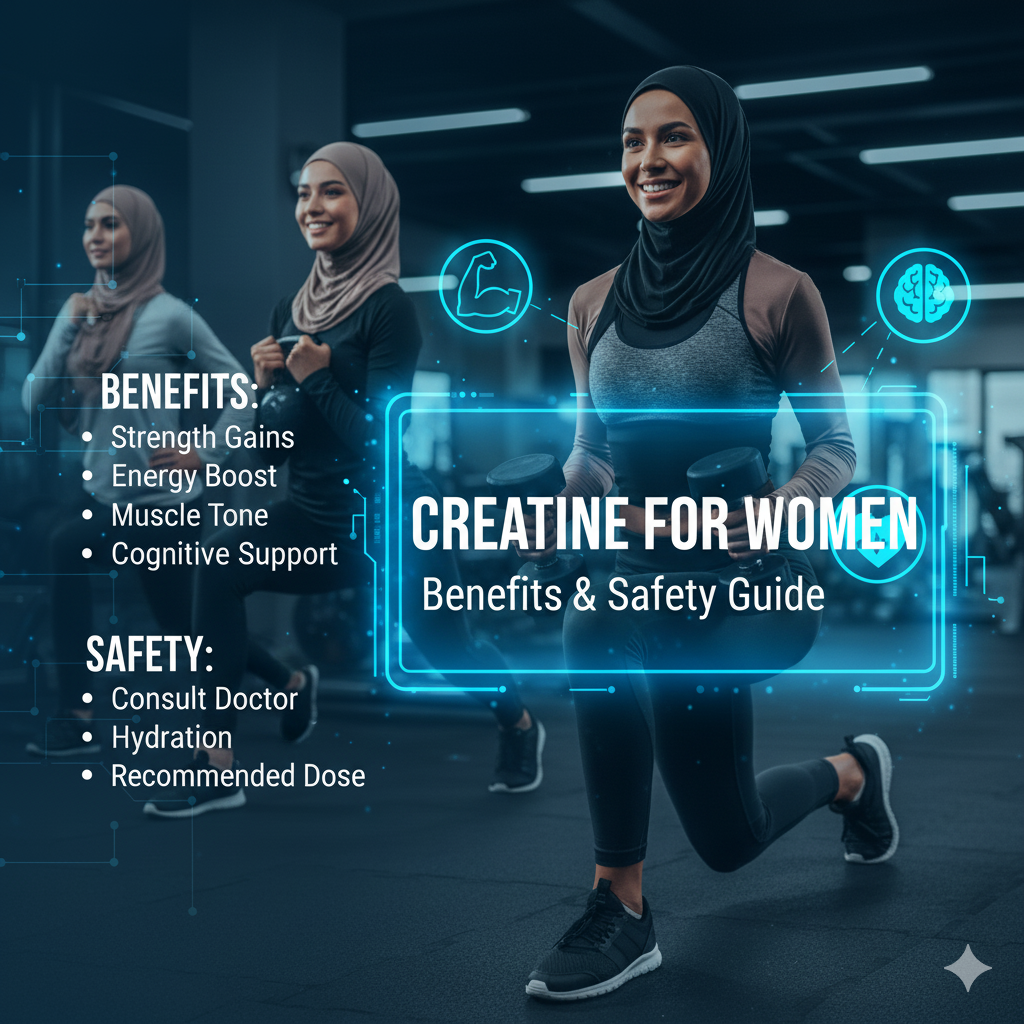

When it comes to supplements, many people still think of creatine as something only bodybuilders or male athletes use, but the truth is that Creatine for Women is one of the most overlooked game changers in health and fitness. Creatine is not a hormone or a steroid—it’s a natural compound that your body already produces and that you also get from foods like meat and fish. For women, the benefits can be both immediate and long-term. In the short term, creatine helps boost energy, strength, and recovery, making workouts more effective without causing unwanted bulk.
Over time, it supports brain function, bone strength, and even mood stability, which is especially important during stressful phases of life or hormonal changes like menopause. One of the best parts is its safety record: decades of research show it’s effective and well-tolerated when taken in the right dosage. Whether you’re trying to build lean muscle, improve focus for school or work, or maintain energy as you age, Creatine for Women offers a simple yet powerful solution. With just a few grams a day, it can help you feel stronger, sharper, and more confident in your body and mind.
What Exactly Is Creatine?
Think of creatine as your muscles’ personal energy booster. It’s a natural compound made from amino acids and stored mostly in your muscles (though your brain keeps a stash too).
Here’s how it works in simple terms:
-
Your muscles need energy to move.
-
The fastest type of energy your body uses is called ATP (adenosine triphosphate).
-
Creatine helps “recycle” ATP so your muscles can keep working harder, for longer.
That’s why athletes love it. But the fun part? The benefits of creatine go far beyond lifting weights or running faster. It affects strength, energy, brain health, mood, and even how your body ages.
Common Myths About Creatine for Women
Before we jump into benefits, let’s clear the air on some stubborn myths:
-
“Creatine makes you bulky.”
Nope. Creatine may increase water in your muscles (making them look fuller), but it won’t suddenly transform you into a bodybuilder. Unless you’re training and eating specifically for muscle mass, you won’t bulk up. -
“It’s a steroid.”
Absolutely not. Creatine is not a hormone, not a steroid, and not dangerous. Your body naturally makes it, and you also get small amounts from foods like meat and fish. -
“Only men use it.”
False. Women’s bodies respond to creatine just as well as men’s. In fact, women might see extra benefits because of differences in hormone levels and muscle composition.
Now that we’ve busted those myths, let’s explore the good stuff: what creatine can actually do for you.
Short-Term Benefits of Creatine for Women
1. More Strength and Power
One of the first things women notice after taking creatine is improved strength in the gym. You might find yourself squeezing out one or two extra reps, lifting slightly heavier, or feeling less fatigued during workouts.
-
Great for strength training, CrossFit, and HIIT.
-
Helps build lean muscle faster (without “bulking”).
-
Makes workouts feel more productive.
2. Better Energy for Quick Bursts
Because creatine fuels your ATP system, it shines in short, explosive activities. That means:
-
Sprinting feels smoother.
-
Climbing stairs feels easier.
-
Even playing with your kids or carrying heavy groceries feels less draining.
3. Faster Recovery Between Workouts
Creatine helps reduce muscle damage and inflammation. Translation? Less soreness and quicker bounce-back after tough training sessions.
4. Muscle Fullness (In a Good Way)
Yes, creatine pulls water into your muscle cells. But this isn’t “bloating” like when you eat too much salt. It makes your muscles look fuller, rounder, and healthier. Many women actually love this effect because it gives a toned, athletic appearance.
Long-Term Benefits of Creatine for Women
Now here’s where things get really interesting. Beyond workouts, creatine can impact your long-term health in surprising ways.
1. Supports Brain Health
Your brain, like your muscles, uses tons of energy. Research suggests creatine may:
-
Improve memory and learning.
-
Reduce mental fatigue.
-
Support mood and reduce symptoms of depression (especially in women, who are more likely to experience it).
Some studies even show creatine could be protective against neurological conditions later in life.
2. Bone Health and Aging
As women age, bone density becomes a big concern. While creatine isn’t a magic bone pill, when combined with strength training, it can support stronger bones by improving muscle pull and bone-loading effects. That means less risk of osteoporosis down the road.
3. Hormonal Support (Especially During Menopause)
Estrogen plays a role in muscle health, bone strength, and mood regulation. When estrogen declines (like in perimenopause and menopause), women are at higher risk of muscle loss, fatigue, and brain fog. Creatine seems to help counter some of those effects, acting like a gentle buffer for energy and mental clarity.
4. Longevity and Quality of Life
Think about it: more muscle strength, better brain function, stronger bones, and improved mood. All of these add up to a healthier, more independent, and energetic life as you age.
How to Take Creatine
Creatine is refreshingly simple.
-
The best type? Creatine monohydrate. It’s the most researched, most effective, and usually the cheapest.
-
How much? Around 3–5 grams per day. No need for “loading” unless you want faster results.
-
When to take it? Anytime. Consistency matters more than timing. Some prefer it after workouts; others just add it to their morning coffee or smoothie.
-
Mix it with? Water, juice, or your protein shake.
Pro tip: If you’re prone to stomach upset, split your dose into two smaller servings.
Is Creatine Safe for Women?
Understanding Creatine Safety
A quick overview of creatine’s history, research, and why scientists consider it one of the safest supplements available.
What Research Says About Women and Creatine
Summarize clinical studies showing how women respond to creatine supplementation in terms of strength, health, and side effects.
Common Concerns and Misconceptions
-
“Does it harm the kidneys?”
-
“Does it cause bloating?”
-
“Will it make me bulky?”
How Creatine Works in the Female Body
Explain how female physiology (hormones, muscle composition, energy demands) influences creatine usage compared to men.
Safety Across Life Stages
-
Young women and athletes – performance and muscle support
-
Pregnancy & breastfeeding – what we know and why to consult a doctor
-
Perimenopause and menopause – creatine’s role in muscle, bone, and mood health
-
Older women – preserving strength, memory, and independence
Dosage and Tolerance for Women
-
Recommended daily intake (3–5 grams)
-
Why loading phases aren’t necessary
-
Tips for avoiding stomach upset
Creatine and Hydration: The Water Retention Myth
-
Why creatine increases muscle water
-
Difference between healthy muscle fullness vs. uncomfortable bloating
Who Should Talk to a Doctor First?
-
Women with kidney or liver issues
-
Women on certain medications
-
Anyone with pre-existing health conditions
Long-Term Use: What We Know So Far
Evidence from years of studies on both men and women showing no harmful long-term effects with proper use.
Bottom Line on Safety
Creatine is safe, effective, and beneficial for women when taken responsibly. The key is dosage, hydration, and checking with a doctor if you have medical concerns.
Who Should Consider Creatine?
1. Women Who Strength Train
If you lift weights, do CrossFit, or follow resistance programs, creatine can help you push harder, recover faster, and build lean muscle more effectively.
2. Women Doing High-Intensity Workouts
For activities like HIIT, sprinting, or circuit training, creatine gives extra energy during quick bursts and reduces fatigue between sets.
3. Active Moms and Busy Professionals
Women balancing work, family, and daily responsibilities often feel drained. Creatine provides steady energy and recovery support, making everyday life easier.
4. Students and Young Adults
Creatine isn’t just physical—it supports brain energy, memory, and focus, which makes it helpful during exams or mentally demanding tasks.
5. Women Focused on Weight Loss
Creatine can help preserve lean muscle while dieting. This keeps metabolism higher and prevents muscle loss during calorie restriction.
6. Women in Perimenopause or Menopause
Creatine supports muscle strength, brain clarity, and bone health—helping offset the natural decline in estrogen.
7. Older Women (50+)
Creatine may help maintain independence by reducing the risk of falls, protecting bones, and supporting memory and overall vitality.
Final Takeaway
Creatine isn’t just a “gym bro supplement.” It’s a powerful, safe, and affordable tool that women can use to boost performance, support brain health, and age with strength and confidence.
If you’ve been curious but hesitant, now you know: creatine is not only safe—it might just be one of the best-kept secrets in women’s health and fitness.
So, whether you’re chasing PRs at the gym, powering through a busy day, or planning for a strong, vibrant future—creatine has your back.