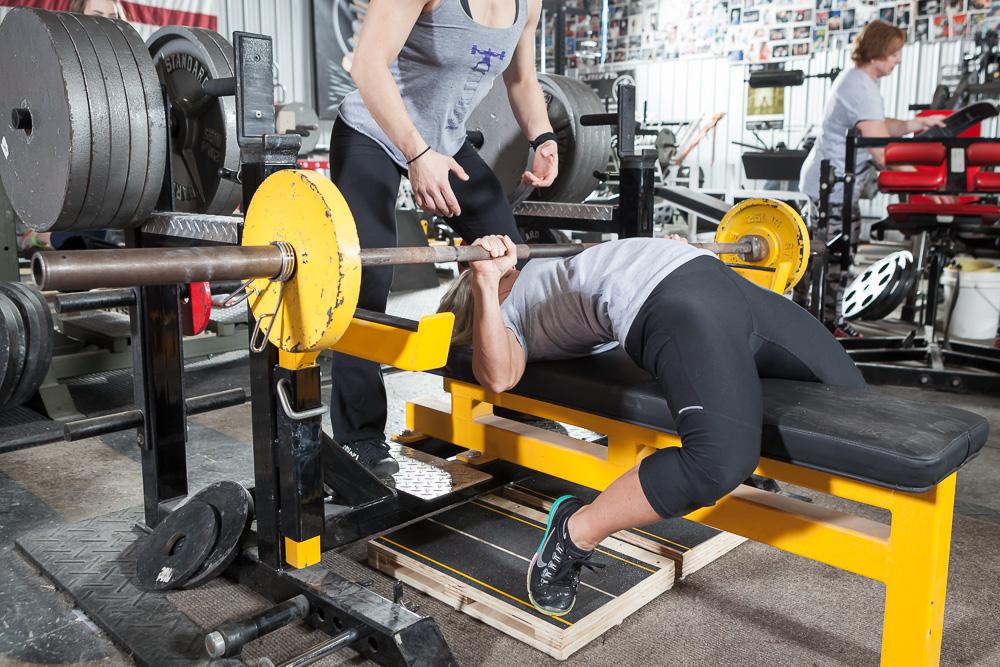

What is Bench Press
The bench press is one of the best strength training exercise options that women can add to their workout routine, whether at home or in the gym, because it builds chest power, tones arms, and develops upper body stability in a way few movements can. Many beginners think this exercise is only for men, but the truth is every woman should feel confident performing the press because it improves posture, balance, and long-term health.
The average female bench press may start around 15–20 kg, but numbers are less important than consistency and safe progress. Using a flat bench is the most common starting point, while an incline bench press adds focus to the upper chest and shoulders, and dumbbell variations improve balance by forcing each side of the body to work independently. Women looking for lean muscle growth should mix both barbell and dumbbell presses in their training to achieve the best results.
At home, light dumbbells or resistance bands can replace heavier equipment, making the exercise accessible to all. A woman who practices bench press regularly not only gains muscle but also boosts metabolism, burns fat, and increases overall confidence, proving how much this workout can transform health and appearance.
Why Bench Press is Essential for Women
The bench press has long been seen as a “man’s exercise.” Walk into any gym and you’ll notice men crowding the bench press area. But here’s the truth: women benefit just as much, if not more, from this powerful movement. It’s not only about building muscle — it’s about strength, confidence, posture, and overall health.
For women who want to feel stronger, look toned, and carry themselves with better posture, the bench press is a game-changer. It’s one of those exercises that trains multiple muscles at once, making workouts more efficient and results-driven.
Women often think bench press will make them bulky. That’s a myth. Female bodies have lower testosterone levels, which means strength training creates lean, firm muscles instead of oversized bulk. The bench press gives definition and strength without the “bodybuilder” look.
1 – Benefits of Bench Press for Women
Builds Lean Muscle Mass
One of the biggest advantages of bench pressing is lean muscle growth. The exercise targets your chest, shoulders, and arms, which naturally helps with upper body tone. Instead of flabby arms or weak shoulders, you develop lean muscles that make you look athletic and strong.
Strengthens Chest, Shoulders, and Arms
The chest muscles (pectorals) get stronger, the shoulders become more stable, and the triceps get sculpted. This strength carries over to everyday life — lifting grocery bags, pushing heavy doors, or carrying kids feels effortless.
Improves Posture and Stability
A strong chest and shoulder region pull your body into better alignment. Women who sit long hours at desks often deal with rounded shoulders and back pain. Bench pressing strengthens the muscles that fight this slouch, helping you stand taller and move with stability.
Boosts Metabolism and Fat Loss
Muscle burns more calories than fat, even while resting. Adding bench press to workouts increases lean muscle mass, which revs up metabolism. Over time, women notice easier fat loss and better weight control.
Enhances Athletic Performance
Whether you run, play sports, or practice yoga, bench pressing improves overall performance. Stronger arms and shoulders make pushing, pulling, and balancing movements much smoother. It’s the foundation of functional strength.
Increases Confidence
Nothing boosts confidence like moving weight you once thought impossible. For women, hitting new personal bests on the bench press is empowering. That strength translates outside the gym, creating self-assurance in daily life.
2 – How to Do the Bench Press (Step by Step for Women)
Warm-Up Before Bench Press
A proper warm-up prepares the muscles and prevents injury. Start with light cardio for 5 minutes. Then do dynamic stretches like arm circles and push-ups. Add one or two warm-up sets with an empty bar or light dumbbells.
Proper Setup on the Bench
Lie flat on the bench with eyes directly under the bar. Keep your feet firmly on the ground, slightly wider than hip-width. Your back should have a natural arch, and shoulder blades squeezed together. This setup creates stability and protects your shoulders.
Correct Grip and Bar Positioning
Grip the bar slightly wider than shoulder-width. Wrap your thumbs around the bar for safety. The bar should sit in the base of your palm, not your fingers. Position it directly above your chest before starting the lift.
Step-by-Step Movement Breakdown
-
Unrack the bar and hold it above your chest with arms straight.
-
Lower the bar slowly to your mid-chest.
-
Keep elbows at about a 45-degree angle to your body.
-
Pause briefly at the bottom without bouncing.
-
Press the bar back up to starting position by extending your arms.
Breathing Technique
Breathe in as you lower the bar. Exhale powerfully as you push it back up. Controlled breathing makes the lift stronger and safer.
Common Mistakes to Avoid
-
Flaring elbows too wide
-
Lifting feet off the ground
-
Bouncing the bar on the chest
-
Arching the lower back excessively
-
Using too much weight too soon
Variations of Bench Press for Women
-
Incline Bench Press: Targets upper chest and shoulders.
-
Dumbbell Bench Press: Builds stability and balances strength.
-
Close-Grip Bench Press: Focuses more on triceps.
-
Flat Dumbbell Flyes: Complements pressing strength with chest shaping.
3 – Nutrition for Women Who Bench Press
What to Eat Before Bench Pressing
Pre-workout meals fuel your muscles. A good mix of protein and complex carbs gives lasting energy. Examples:
-
Oatmeal with berries and Greek yogurt
-
Whole-grain toast with peanut butter and banana
-
Rice cakes with cottage cheese and honey
What to Eat After Bench Pressing
Post-workout nutrition focuses on recovery. Protein repairs muscle fibers while carbs restore energy. Examples:
-
Grilled chicken with brown rice and veggies
-
Protein shake with banana and almond butter
-
Tuna salad sandwich on whole-grain bread
Best Sources of Protein for Women
Protein is essential for muscle repair. Great options include:
-
Eggs
-
Lean chicken
-
Turkey
-
Fish like salmon and tuna
-
Tofu, lentils, and beans for plant-based diets
-
Whey protein powder for quick absorption
Carbs and Healthy Fats for Energy Balance
Carbs provide the fuel your body needs to train hard. Focus on whole grains, fruits, and vegetables. Healthy fats like avocados, nuts, seeds, and olive oil support hormone health and energy balance.
Supplements Women May Consider
Supplements are not mandatory but can help. Whey protein speeds recovery. Creatine boosts strength. BCAAs reduce muscle soreness. Always check with a healthcare professional before starting supplements.
Hydration Tips
Water plays a huge role in strength performance. Aim for 2–3 liters per day, more if sweating heavily. Add electrolytes after intense sessions to replenish minerals.
4 – How to Progress Safely in Bench Press
Start with a weight you can handle for 8–12 reps. Focus on form before chasing heavy numbers. Add small increments each week, around 2–5 kg at most. Keep a training log to track sets, reps, and weights.
Combine bench press with push-ups, rows, and shoulder presses for balanced development. Training twice a week is enough for steady progress.
Consistency matters more than lifting the heaviest weight in the room. Small, steady improvements add up to long-term strength and muscle growth.
Final Takeaway
The bench press is more than just a strength exercise. For women, it’s a complete upper-body builder that delivers muscle tone, posture improvement, fat loss, and confidence. Mastering the method ensures safety and effectiveness. Pairing the exercise with smart nutrition creates faster results and lasting health benefits.