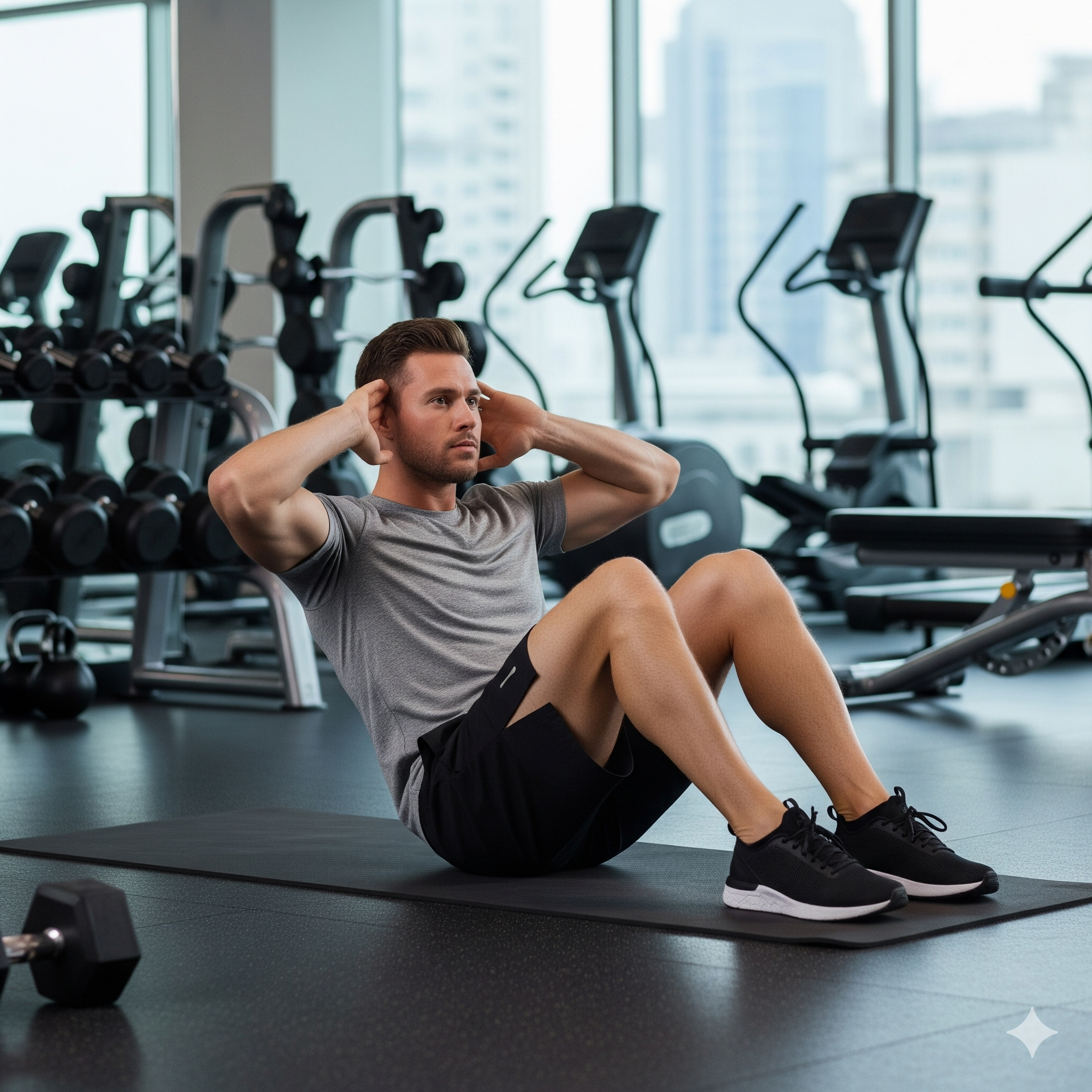

When people search for ways to improve their core strength, one of the first things they often look up is Crunch online, since it’s convenient to access guided workout videos from home or on the go. These resources usually focus on the proper way to perform a Crunch exercise, explaining how to engage the abdominal muscles effectively while avoiding common mistakes that can cause neck or back strain. At the same time, many fitness enthusiasts are interested in joining a gym where they can combine guided ab training with a full-body workout program.
That’s where Crunch Fitness comes in—a popular chain known for its fun atmosphere, supportive trainers, and variety of workout classes that go beyond just crunches. Whether someone is a beginner who wants to learn the basics or an advanced lifter chasing more definition, the programs at Crunch can provide structured support. Of course, one of the most common questions people ask before signing up is about the Crunch fitness price, since affordability plays a big role in long-term commitment. Fortunately, Crunch offers different membership options, making it accessible for people with varying budgets who want to work on their abs and overall fitness.
What Is a Crunch?
A crunch (sometimes called a curl-up) is a bodyweight abdominal exercise designed to work the rectus abdominis—the long sheet of muscle that runs down the front of your torso. That’s the same muscle responsible for the famous “six-pack” look.
Unlike a sit-up, the crunch involves a smaller range of motion. You lift only your shoulders and upper back off the floor, keeping your lower back pressed into the ground. This isolates the abs more directly while reducing hip flexor involvement.
Think of the crunch as the “laser-focused” version of a sit-up. It targets the abs specifically, but it comes with its own strengths and weaknesses, which we’ll dive into shortly.
Benefits of Doing Crunches
So why bother with crunches when there are dozens of other ab moves out there? Let’s look at the benefits:
-
Ab isolation – Crunches primarily hit the rectus abdominis, helping define your midsection.
-
Accessibility – You don’t need equipment. Just some floor space and maybe a mat.
-
Low barrier to entry – Beginners can learn the movement quickly compared to more complex core exercises.
-
Progressions available – You can add weights, stability balls, or tempo changes to make crunches harder.
-
Six-pack potential – If paired with proper nutrition and overall fat loss, crunches can help sculpt visible abs.
How to Perform a Proper Crunch
Let’s get to the good stuff: how to actually do a crunch correctly.
Step-by-Step Guide
-
Lie down flat on your back with knees bent and feet flat on the floor.
-
Place your hands lightly behind your head or across your chest. Don’t pull your neck.
-
Engage your core by pulling your belly button slightly in toward your spine.
-
Lift your shoulders and upper back a few inches off the floor while exhaling.
-
Hold briefly at the top (1–2 seconds).
-
Slowly lower back down with control while inhaling.
Key Cues
-
Keep your lower back pressed into the floor.
-
Move in a slow, controlled manner—no jerking.
-
Your neck should feel relaxed, not strained.
-
Quality > quantity. Ten slow, focused reps beat 50 sloppy ones.
Crunch Variations You Can Try
The standard crunch is just the beginning. Here are some popular variations to keep your core workouts fresh:
1. Reverse Crunch
-
Instead of lifting your shoulders, you lift your hips off the floor.
-
Targets the lower abs more directly.
2. Bicycle Crunch
-
Alternate bringing your elbow toward the opposite knee in a pedaling motion.
-
Works the obliques along with the rectus abdominis.
3. Stability Ball Crunch
-
Perform crunches on a stability ball.
-
Increases range of motion and activates stabilizers.
4. Weighted Crunch
-
Hold a plate or dumbbell across your chest.
-
Adds resistance for more challenge and hypertrophy.
5. Side Crunch
-
Twist slightly to one side as you crunch up.
-
Targets the obliques.
6. Vertical Leg Crunch
-
Lift your legs straight up in the air and crunch upward.
-
Increases difficulty and deep core activation.
Crunches vs. Planks: Which Is Better?
When it comes to ab training, two moves always steal the spotlight: the crunch and the plank. Both are bodyweight exercises, both target your core, and both are staples in fitness programs worldwide. But they’re very different in how they work your body. So, which one deserves more space in your routine? Let’s break it down.
1. Muscle Activation
-
Crunches: Primarily isolate the rectus abdominis (the six-pack muscle). They create that “burn” you feel in the front of your abs.
-
Planks: Engage the entire core—rectus abdominis, obliques, transverse abdominis, and even stabilizers in your back, shoulders, and glutes.
2. Functionality
-
Crunches: Train spinal flexion (bending forward). Useful for building ab muscle size, but not very functional in everyday movement.
-
Planks: Train anti-extension (resisting your back from arching). This has more carryover to posture, lifting, and athletic performance.
3. Risk of Injury
-
Crunches: Can strain the neck and lower back if done with poor form or excessive reps.
-
Planks: Safer for most people, but poor form (hips sagging or rising too high) reduces effectiveness and can stress the lower back.
4. Calorie Burn
-
Crunches: Short bursts, lower calorie burn.
-
Planks: Full-body tension means you burn slightly more calories, especially when held for longer durations.
5. Progression Options
-
Crunches: You can make them harder with weights, stability balls, or advanced variations (bicycle, reverse, decline).
-
Planks: Progress by extending time, adding weight on your back, or moving into dynamic variations (plank shoulder taps, side planks).
Expert Safety Tips for Crunches
Crunches look simple, but the truth is, many people perform them in ways that stress the neck or back instead of strengthening the abs. To get the benefits without the pain, follow these expert-approved safety tips:
1. Protect Your Neck
-
Keep your hands lightly behind your head, but never pull forward.
-
Think about lifting your chest toward the ceiling, not jamming your chin to your chest.
-
A good trick: imagine you’re holding a small orange or tennis ball under your chin—that’s the gap you want to maintain.
2. Keep Your Lower Back Anchored
-
Your lower back should stay pressed into the floor throughout the movement.
-
If you notice an arch forming, you’re likely lifting too high or losing tension in your abs.
-
Use a yoga mat or folded towel for extra lumbar support if needed.
3. Focus on Controlled Movements
-
Forget about speed. Crunches aren’t a race.
-
Use a slow, steady motion—two seconds up, two seconds down is a great rhythm.
-
The goal is to create muscle tension, not momentum.
4. Limit Reps, Prioritize Quality
-
Endless crunch marathons aren’t effective and may increase injury risk.
-
Aim for 2–4 sets of 10–20 well-executed reps instead of 100 sloppy ones.
-
When you can do them with perfect form, then try harder variations instead of more reps.
5. Breathe With Each Rep
-
Exhale as you crunch upward.
-
Inhale as you lower back down.
-
Holding your breath puts unnecessary pressure on your spine and can fatigue you quicker.
6. Use Proper Surface and Support
-
Always perform crunches on a mat, carpet, or padded surface.
-
Hard floors can irritate your spine and tailbone.
-
If you have chronic back issues, try alternatives like planks or dead bugs under professional guidance.
7. Mix With Other Core Exercises
-
Don’t rely on crunches alone—they only target one aspect of your core.
-
Balance your routine with:
-
Planks (for stability)
-
Leg raises (for lower abs)
-
Russian twists (for obliques)
-
Bird dogs (for spinal health)
-
Should You Do Crunches Every Day?
You might be tempted to hammer crunches daily, but your abs are like any other muscle—they need recovery.
For most people:
-
2–3 ab sessions per week is enough.
-
Aim for quality sets (2–4 sets of 10–20 reps).
-
Combine crunches with planks, rotational moves, and full-body lifts for the best results.
Crunches in Different Training Styles
One of the reasons crunches remain popular is their versatility. You can plug them into almost any workout style, whether you’re training for muscle growth, endurance, or just general fitness. Here’s how crunches fit into different training approaches:
1. Bodyweight / Calisthenics Training
If you’re someone who prefers working out without equipment, crunches are a natural fit. They require zero gear, just floor space. Many calisthenics athletes use crunch variations like bicycle crunches or reverse crunches to add core focus into routines built around push-ups, pull-ups, and dips.
2. Hypertrophy (Muscle Growth) Training
Want bigger, more defined abs? Crunches can be loaded with resistance to stimulate hypertrophy. Adding a weight plate or dumbbell across your chest turns the classic crunch into a muscle-building exercise. Stability ball crunches also increase the range of motion, giving your abs more time under tension.
3. Endurance & Conditioning Workouts
High-rep crunch circuits can be included in conditioning sessions. Think AMRAPs (as many reps as possible) or HIIT rounds where you alternate crunches with other bodyweight moves like burpees or mountain climbers. This challenges both your abs and cardiovascular system.
4. Functional Fitness & Cross-Training
In functional training, crunches aren’t usually the star of the show since the focus is on movements that carry over to real life. Still, some functional coaches program controlled crunch variations (like McGill curl-ups) as part of spinal health routines.
5. Rehab or Prehab Training
In physical therapy, modified crunches are sometimes prescribed for those rebuilding core strength after injury. The key here is gentle range of motion, precise form, and low volume. The partial curl-up, recommended by spine expert Stuart McGill, is one such example.
6. Athletic / Sports Performance Training
Athletes need strong, stable cores for running, jumping, and changing direction. While crunches aren’t the most “athletic” core exercise, they can be used as accessory work to build ab definition alongside more dynamic moves like medicine ball throws and rotational drills.
Final Thoughts
Crunches are not the ultimate ab exercise, but they’re not useless either. They’re a simple, accessible way to strengthen and define the abs, especially if you perform them correctly and use variations.
That said, crunches shouldn’t be your only core move. Your core does much more than flex forward—it stabilizes, resists rotation, and protects your spine. That means you should combine crunches with planks, rotational moves, and heavy compound lifts for a well-rounded, bulletproof core.
If you’re chasing visible abs, remember: it’s not just about crunches. It’s about training smart, eating right, and staying consistent. Crunches can help carve definition, but the real magic happens when you combine them with an overall healthy lifestyle.