
Introduction
When it comes to core workouts, many people think of crunches, sit-ups, or planks. However, fitness experts now recommend Deadbugs as one of the most effective and safe exercises for building a strong and stable midsection. Unlike traditional crunches that strain your neck and spine, this controlled movement strengthens your deep core muscles while protecting your lower back.
In this comprehensive guide, we’ll explore everything you need to know about Deadbugs—its history, benefits, variations, tips for beginners, and why it is loved by physiotherapists, athletes, and fitness coaches worldwide.
What Are Deadbugs?
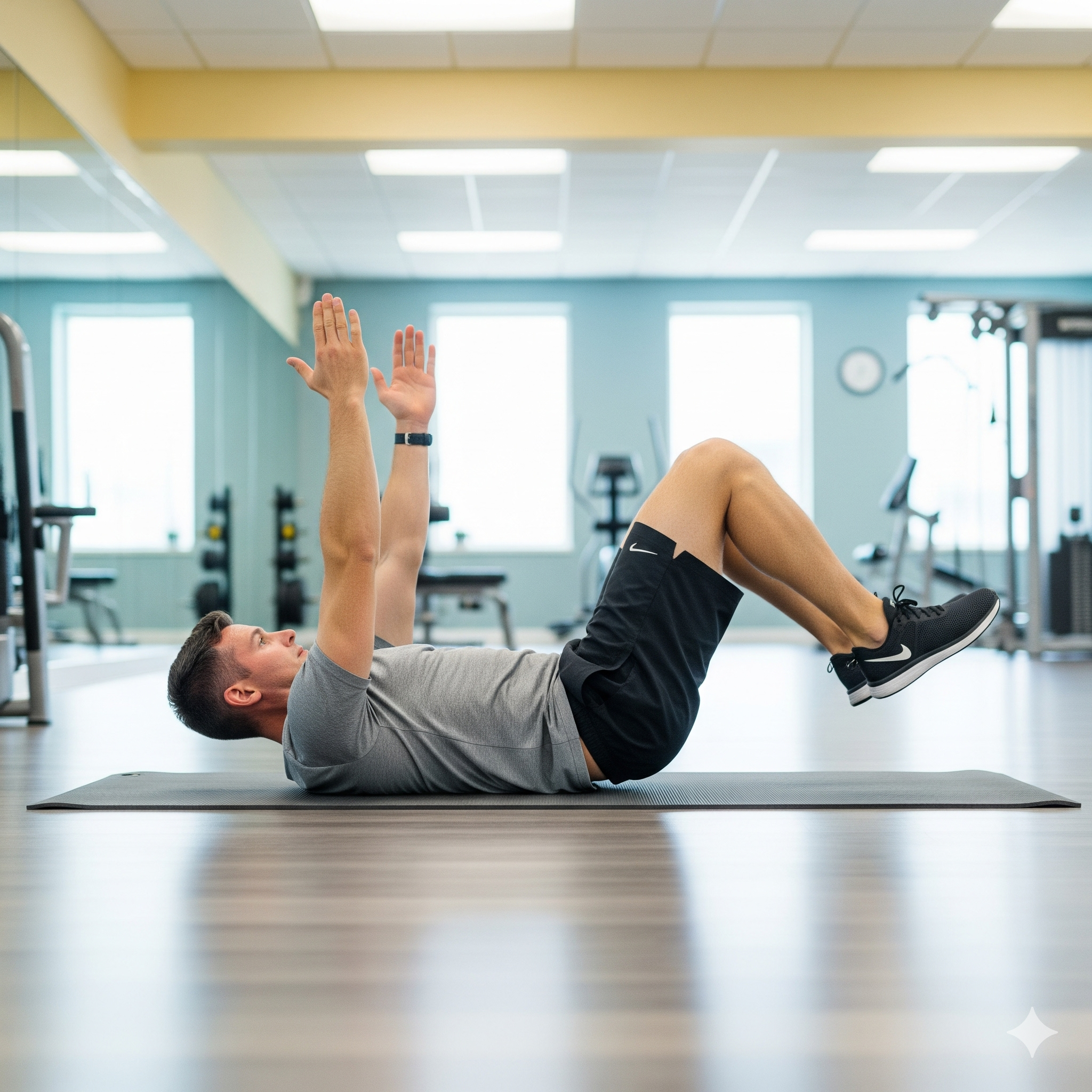
Deadbugs are a floor-based exercise designed to activate the deep stabilizing muscles of the core, including the transverse abdominis, obliques, and pelvic floor. The name comes from the way the body looks during the movement: lying on your back with arms and legs raised, similar to a “dead bug” lying upside down.
The movement involves extending the opposite arm and leg while keeping the lower back pressed into the floor. This creates an anti-extension challenge that forces the core to remain engaged, improving stability and posture.
Why Are Deadbugs So Popular?
Deadbugs are becoming increasingly popular because they:
-
Train the core without stressing the spine
-
Improve coordination between upper and lower body
-
Strengthen stabilizer muscles that prevent injuries
-
Are safe for beginners and advanced athletes
-
Require no equipment and can be done anywhere
Step-by-Step Guide to Perform Deadbugs
-
Lie flat on your back on a yoga mat.
-
Bend your knees to a 90-degree angle, keeping shins parallel to the floor.
-
Raise your arms straight above your chest.
-
Engage your core and flatten your lower back against the mat.
-
Slowly lower your right arm and left leg towards the floor.
-
Return to starting position and repeat with the opposite side.
-
Perform 10–15 repetitions per side.
Pro Tip: Move slowly and focus on controlled breathing. Inhale as you lower, exhale as you return.
Benefits of Deadbugs
Deadbugs go beyond just “ab exercises.” They are a functional fitness movement with benefits that carry over to daily life and sports performance.
1. Builds Core Stability
Strengthens the deep abdominal muscles that support your spine and pelvis.
2. Improves Posture
Counters the effects of sitting by aligning your spine and reducing slouching.
3. Enhances Coordination
Trains cross-body coordination, important for athletes and runners.
4. Reduces Risk of Injury
Supports lower back health by teaching proper bracing mechanics.
5. Adaptable to All Levels
From beginners to elite athletes, Deadbugs can be scaled with variations.
Main Points of Deadbugs Exercise
-
Deadbugs strengthen your deep core muscles safely.
-
They protect your spine and reduce back pain risk.
-
Excellent for posture correction and everyday movement.
-
Can be adapted with variations like weighted, stability ball, or banded versions.
-
Endorsed by physiotherapists, athletes, and trainers for functional fitness.
Variations of Deadbugs
To keep your workouts interesting and challenging, try these variations:
-
Weighted Deadbugs – Hold dumbbells for added resistance.
-
Stability Ball Deadbugs – Press a ball between hands and knees for extra tension.
-
Banded Deadbugs – Use resistance bands for more core activation.
-
Reverse Deadbugs – Focus on controlled leg movements only.
-
Tempo Deadbugs – Slow down the lowering phase for endurance.
Common Mistakes to Avoid
-
Arching your lower back off the floor
-
Moving too fast and losing control
-
Holding your breath instead of controlled breathing
-
Not engaging the core before starting the movement
Who Should Do Deadbugs?
Deadbugs are suitable for:
-
Beginners wanting safe core workouts
-
People with lower back issues (doctor’s approval recommended)
-
Athletes needing stability and balance
-
Office workers with poor posture
-
Seniors looking for low-impact exercises
Deadbugs for Rehabilitation
Physiotherapists often prescribe Deadbugs for patients recovering from back injuries. The controlled motion and emphasis on core bracing help restore strength without aggravating pain. This makes it a top choice in rehabilitation programs.
Frequently Asked Questions About Deadbugs
1. Are Deadbugs good for beginners?
Yes! Deadbugs are safe and effective for beginners as they require no equipment and teach proper core engagement.
2. Can Deadbugs help with lower back pain?
Absolutely. When performed correctly, they strengthen stabilizing muscles that reduce pressure on the lower back.
3. How many reps of Deadbugs should I do?
Start with 2–3 sets of 8–10 reps per side. Increase as your core strength improves.
4. Do Deadbugs burn belly fat?
No exercise alone burns fat. However, Deadbugs strengthen and tone the core, making it appear firmer when combined with a healthy diet and overall exercise plan.
5. How often should I include Deadbugs in my routine?
2–3 times a week is ideal for building stability without overtraining.
6. Are Deadbugs better than planks?
Both are excellent. Planks build static strength, while Deadbugs train controlled dynamic movement. For best results, include both in your routine.
Advanced Training Tips
-
Combine Deadbugs with planks, bird dogs, and glute bridges for a full core workout.
-
Use slow tempo training to maximize muscle engagement.
-
Add resistance progressively for continuous challenge.
-
Always prioritize form over speed or reps.
Final Thoughts
The Deadbugs exercise is more than just another ab workout—it’s a foundational movement for building core strength, stability, and injury resilience. Whether you’re a beginner starting your fitness journey or an athlete pushing performance limits, this exercise deserves a place in your routine.
By practicing proper form, avoiding common mistakes, and adding variations, you’ll enjoy long-term benefits like improved posture, reduced back pain, and better athletic performance.
So next time you hit the mat, remember: the secret to a strong, stable, and functional core may just be lying on your back—like a Deadbug.