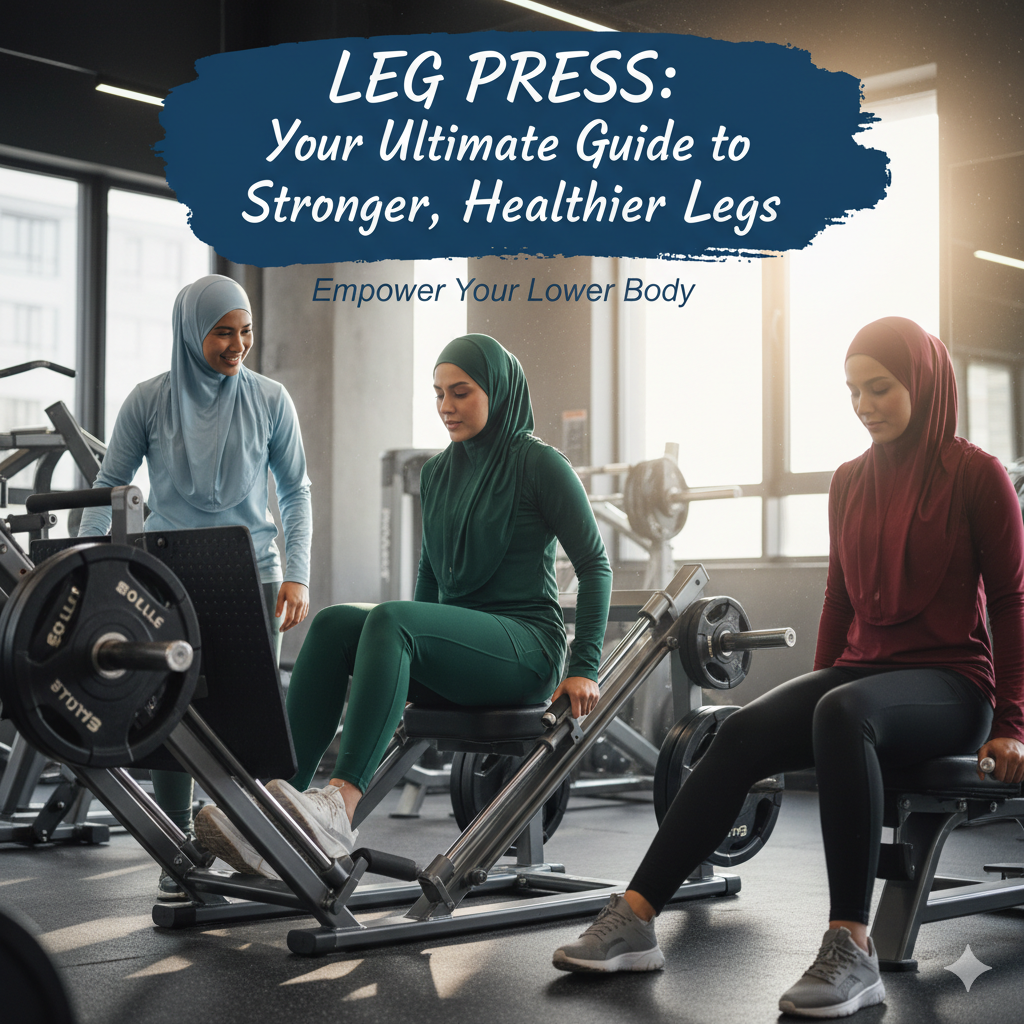

When it comes to building lower body strength, the leg press benefits are undeniable. This exercise targets your quadriceps, hamstrings, glutes, and even calves, making it a comprehensive way to strengthen and tone your legs. Many gym-goers wonder if lifting heavier weights is necessary, and using a 240 kg leg press can certainly challenge even advanced lifters. However, it’s important to focus on proper form rather than just the weight to avoid injury and maximize results.
A common debate in fitness circles is leg press vs squats. While squats engage your core and improve functional strength, the leg press allows for safer, controlled movements, especially for beginners or those rehabbing injuries. Another frequently asked question is whether this machine can help with fat loss, particularly in stubborn areas like the stomach.
Although no exercise can directly burn fat in one spot, the leg press belly fat reduction effect comes from increased calorie burn and overall muscle growth, which supports metabolism. Incorporating the leg press into a balanced workout routine, along with cardio and proper nutrition, ensures you gain strength, tone muscles, and support overall fat loss. With consistent effort, the leg press becomes a reliable tool for achieving stronger, leaner legs.
What is the Leg Press?
At its core, the leg press is a machine-based exercise that targets your lower body muscles. You sit on a padded seat and push a weighted platform away from you with your legs. It’s simple, right? But don’t let its simplicity fool you—it’s incredibly effective when done correctly.
Key Muscles Worked
The leg press is a powerhouse for targeting multiple leg muscles simultaneously:
-
Quadriceps: Front of your thighs—the main movers.
-
Hamstrings: Back of your thighs—help balance leg strength.
-
Glutes: Your butt muscles—critical for hip power.
-
Calves: Especially if you adjust your foot position slightly.
Think of it as a multi-muscle workout packed into one movement.
Why Use the Leg Press?
You might be wondering, “Why not just stick to squats or lunges?” Well, here’s the scoop:
-
Lower Back Safety: Unlike free-weight squats, the leg press reduces strain on your lower back.
-
Controlled Motion: The guided movement helps beginners maintain proper form.
-
Muscle Isolation: You can really target the quads, glutes, and hamstrings individually.
-
Progressive Overload: Adding weight is simple, making it easy to track progress.
So, whether you’re rehabbing from an injury or just looking to add variety, the leg press has you covered.
Varieties of Leg Press Equipment
Not all leg presses are created equal. Here’s a quick breakdown:
-
45-Degree Leg Press: The most common. You push a sled on a 45-degree incline. Great for overall leg development.
-
Horizontal Leg Press: The sled moves straight out from your body. Easier on the knees for some people.
-
Vertical Leg Press: You push the sled upward. Intense on quads and glutes but requires proper form to avoid injury.
Each type has its advantages, so it’s worth trying different ones if your gym has them.
How to Perform the Leg Press Correctly
Form is king. Even a simple machine can cause injury if used improperly. Here’s a step-by-step guide:
-
Adjust the Seat: Make sure your knees form about a 90-degree angle when your feet are on the platform.
-
Foot Placement:
-
Shoulder-width apart: Works all leg muscles evenly.
-
Higher on the platform: Puts more emphasis on glutes and hamstrings.
-
Lower on the platform: Targets quads more.
-
-
Push Through Your Heels: Avoid letting your knees lock out at the top.
-
Control the Movement: Lower the sled slowly to maximize muscle engagement and prevent injury.
-
Breathe Properly: Exhale while pushing and inhale while returning.
Remember, it’s not about lifting the heaviest weight—it’s about controlled, proper movement.
Common Errors and How to Prevent Them
Even experienced gym-goers can slip up. Here are common mistakes and how to fix them:
-
Locking your knees: Keep a slight bend to avoid joint strain.
-
Lifting your hips: Keep your back and hips flat against the seat.
-
Feet too close or too wide: This can cause knee or ankle stress.
-
Using too much weight: Focus on form first, then add weight gradually.
Leg Press vs. Squats: Which is Better?
Ah, the age-old debate. Here’s the truth:
-
Squats: Functional, engage your core, and mimic real-life movements.
-
Leg Press: Isolated, safer for the back, and easier for beginners or heavy lifting.
The best approach? Combine both for maximum leg strength and balance. Your legs will thank you.
Advanced Tips for Maximum Gains
Once you’re comfortable, you can tweak your leg press to make it more challenging:
-
Single-Leg Press: Corrects imbalances between legs.
-
Tempo Training: Slow down the lowering phase for more tension.
-
Partial Reps: Focus on the strongest part of the movement.
-
Supersets: Pair with lunges or leg extensions for an intense burn.
Mixing up your routine keeps your muscles guessing—and growing.
Leg Press for Different Fitness Goals
Whether you’re aiming for strength, size, or endurance, the leg press can be tailored to your goals:
-
Strength: Heavy weights, 4–6 reps per set.
-
Hypertrophy (Muscle Size): Moderate weights, 8–12 reps.
-
Endurance: Lighter weights, 15–20+ reps.
You can even combine goals within a single workout by varying reps and weights.
Safety and Injury Prevention
Despite its benefits, the leg press isn’t risk-free. Keep these tips in mind:
-
Warm-up: Get your joints and muscles ready before heavy sets.
-
Don’t Overload: Gradually increase weight to avoid knee or back injuries.
-
Listen to Your Body: Stop immediately if you feel sharp pain.
-
Check Your Gym Form: Ask a trainer for a quick form check if unsure.
Safety first—it’s not a race to lift the heaviest weight.
Wrapping It Up: Why the Leg Press is Worth It
The leg press is a versatile, beginner-friendly, and highly effective exercise for building lower body strength. Whether your goal is bigger quads, stronger glutes, or safer lifting alternatives, the leg press has something for everyone. Remember: proper form, gradual progression, and consistent effort are your keys to success.
So next time you step into the gym, don’t shy away from the leg press machine. Push, press, and feel those gains one rep at a time!
Final Thoughts
The leg press is more than just a gym machine—it’s a versatile tool that can help anyone improve lower-body strength safely and effectively. By mastering proper form, avoiding common mistakes, and incorporating variations, you can target your quads, hamstrings, glutes, and calves efficiently. Pairing the leg press with other exercises like squats and lunges ensures balanced leg development and overall functional strength. Remember, consistency and controlled progression are key—lift smart, stay safe, and watch your leg power grow!