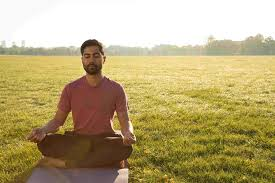

What Is Mindfulness?
Mindfulness is the ability to stay fully aware and present in the current moment. Instead of getting lost in past regrets or future worries, mindfulness teaches us to focus on what is happening here and now without judgment. According to Jon Kabat-Zinn, mindfulness is “awareness that arises by paying attention on purpose, in the present moment, and non-judgmentally.”
It is not about forcing your mind to be blank. Rather, it is about gently observing thoughts, feelings, and sensations as they arise and letting them pass without attachment.
What Does It Mean to Be Mindful?
Being mindful means you:
- Notice your thoughts without getting carried away.
- Pay attention to your body and breathing.
- Stay connected to your environment using your senses.
- Respond with clarity instead of reacting on impulse.
In simple terms, mindfulness is like pausing to notice life instead of rushing through it.
Is Mindfulness a Practice or a Natural Ability?
Mindfulness is both. Every human has the natural ability to be aware. For example, a child noticing the taste of fruit or the sound of rain is practicing mindfulness naturally. However, in our busy lives, this skill gets buried under stress and distractions. That is why mindfulness is also a practice—a skill we can strengthen through exercises such as meditation, mindful breathing, or journaling.

What Is the Goal of Mindfulness Practice?
The goal of mindfulness is not to escape reality but to face it with balance. It helps you:
- Reduce stress and anxiety.
- Improve focus and memory.
- Strengthen emotional resilience.
- Cultivate gratitude and compassion.
Ultimately, mindfulness guides you toward a calmer, clearer, and more purposeful way of living.
How to Practice Mindfulness
How Do I Start a Mindfulness Practice?
Start small. You do not need to sit for an hour in silence. Just take a few minutes daily to focus on your breathing, write in a journal, or notice your surroundings. The key is consistency, not perfection.
Simple Ways to Be Mindful Throughout the Day
- Eat slowly, noticing the flavors and textures of your food.
- Take short pauses during work to stretch and breathe.
- Walk mindfully, paying attention to each step.
- Put away your phone while talking to someone and listen fully.
Using Breath to Be Present
Your breath is always with you, making it the best anchor for mindfulness. Try inhaling deeply, noticing the rise of your chest, and exhaling slowly. Repeat this for a minute whenever you feel distracted or tense.
Bringing Awareness to the Body
A “body scan” is a simple way to check in. Close your eyes and move your attention from head to toe, noticing areas of tightness or relaxation. This exercise builds awareness of how emotions show up physically.
Benefits of Mindfulness
How Does Mindfulness Reduce Stress and Anxiety?
Stress often comes from racing thoughts about what might go wrong. Mindfulness interrupts this cycle by grounding you in the present. Breathing exercises slow the nervous system, reducing cortisol levels and creating calm.
Mental and Physical Benefits:
Research shows regular mindfulness practice can:
- Improve sleep quality.
- Lower blood pressure.
- Reduce symptoms of depression and anxiety.
- Enhance memory, creativity, and problem-solving.
Can Mindfulness Improve Focus and Attention?
Yes. By repeatedly training your brain to return to the present, mindfulness sharpens concentration. Many professionals and students report better productivity after daily mindfulness exercises.
Mindfulness in Daily Life
Practicing Mindfulness When Rushed or Overwhelmed
If you are overwhelmed, pause for one minute. Close your eyes, breathe deeply, and remind yourself that you only need to focus on one step at a time.
Practical Exercises at Work or Home
- Mindful emailing: Read your message once before sending, noticing tone and clarity.
- Mindful break: Step outside, take five deep breaths, and listen to the sounds around you.
- Mindful cleaning: Instead of rushing, notice the textures, smells, and movements involved.
Using Senses to Connect with Surroundings
Engage all five senses—sight, sound, touch, smell, taste. This grounds you instantly. For example, while drinking tea, notice its warmth, aroma, and flavor.
The One-Minute Pause
This is a short reset technique. For sixty seconds, stop what you’re doing, breathe deeply, and simply notice your body, thoughts, and environment. It is one of the quickest mindfulness tools.
Common Challenges in Mindfulness
What If My Mind Wanders?
It is normal. Minds are designed to think. When you notice wandering, gently guide your focus back without frustration. Each time you do this, you are strengthening mental discipline.
Overcoming Stress, Exhaustion, or Pain During Practice
If sitting feels uncomfortable, try lying down, journaling, or doing mindful walking. Adapt the practice to your body instead of forcing yourself.
What Should I Know Before Starting?
- Mindfulness is not a quick fix; it is a gradual journey.
- You do not need to clear your mind completely.
- Start with short sessions and expand over time.
- Journaling can be a simple entry point.
Mindfulness and Journaling
Journaling is one of the easiest ways to build mindfulness. Writing slows down your thoughts and allows you to observe them clearly.
Why Journaling Works?
- It sharpens focus and attention.
- Encourages gratitude and positivity.
- Helps reduce negative thought patterns.
- Can be done anywhere, at little or no cost.
Types of Mindful Journaling
- Gratitude journaling: List a few things you are thankful for each day.
- Self-reflection journaling: Write about challenges and lessons learned.
- Expressive writing: Release emotions by freely writing without structure.
- Mindful doodling or coloring: A calming way to focus attention while relaxing.
Research shows journaling as part of mindfulness programs often reduces anxiety, boosts compassion, and increases overall well-being.
Comparison of Mindfulness Practices vs. Meditation Practices:
| Feature / Aspect | Mindfulness Practices | Meditation Practices |
|---|---|---|
| Definition | Staying fully present in daily life, observing thoughts, emotions, and surroundings without judgment. | A structured practice, often requiring quiet time, focus on breath, mantra, or visualization. |
| Flexibility | Can be practiced anywhere (eating, walking, journaling, working). | Usually requires a set time and place for sitting practice. |
| Accessibility | Easy to begin with small actions like mindful breathing or gratitude journaling. | Beginners may struggle with sitting still and focusing for long periods. |
| Time Requirement | Just a few seconds to several minutes; no fixed duration needed. | Typically requires longer dedicated sessions (10–60 minutes). |
| Integration in Daily Life | Blends seamlessly with everyday activities (work, relationships, routines). | Mostly practiced separately from daily tasks. |
| Focus | Builds awareness of the present moment, emotions, and environment. | Focuses on inner stillness and detachment from distractions. |
| Benefits | Reduces stress, sharpens focus, improves emotional regulation, enhances productivity. | Deep relaxation, spiritual growth, reduced anxiety. |
| Ease for Beginners | Very beginner-friendly—small mindful moments build the habit. | Can feel challenging and discouraging for beginners. |
| Scientific Support | Widely researched in healthcare, psychology, education, and workplace studies. | Strongly researched but often studied in specific spiritual or therapeutic contexts. |
Why would we need mindulness practices?
We need mindfulness practices because they help us live with more balance, focus, and clarity in a world full of distractions. Unlike many wellness methods that require extra time or special conditions, mindfulness can be practiced anywhere—while working, eating, walking, or even during stressful moments.
It gives us the tools to:
- Reduce stress and anxiety by calming racing thoughts.
- Improve focus and productivity by training attention to return to the present.
- Strengthen emotional resilience so we respond thoughtfully instead of reacting impulsively.
- Enhance overall well-being by cultivating gratitude, patience, and self-awareness.
In simple terms, we need mindfulness because it helps us handle daily challenges with a clear mind and a calmer heart, leading to healthier relationships, better decisions, and a more meaningful life.

How Mindfulness Shapes Long-Term Workout Commitment!
When mindfulness is added to regular fitness tracking, people tend to stay more consistent in their exercise routines. Instead of treating workouts as a burden, mindfulness helps them notice positive body signals, which makes physical activity feel rewarding and easier to maintain.
Why Mindfulness Turns Exercise Into Enjoyment Instead of Stress
Exercise often feels like pressure, especially when driven only by goals or numbers. Practicing mindfulness allows individuals to be fully present during movement, focusing on breath, form, and sensations. This reduces frustration and transforms fitness into a form of self-care.
What Happens When Mindfulness and Physical Movement Combine
Blending meditation techniques with workouts creates a stronger mind–body connection. Practices like yoga, tai chi, or mindful stretching not only improve strength and flexibility but also provide emotional balance, making fitness routines more sustainable.
How Mindful Yoga Builds Recovery and Flexibility
Gentle, awareness-based yoga — often called somatic yoga — helps release tension stored in the body. It supports muscle recovery after intense workouts, enhances posture, and calms the nervous system, making it a valuable tool for both athletes and everyday fitness enthusiasts.
Why Silent Walking Is Emerging as a Mindful Fitness Trend
Walking without headphones or digital distractions allows the mind and body to reconnect. This simple practice reduces stress, sharpens focus, improves circulation, and boosts mood — serving as both a workout and a moving meditation.
Final Thoughts
Mindfulness is not limited to meditation cushions or long retreats. It is a natural ability that can be nurtured through small, consistent practices whether by breathing deeply, noticing your surroundings, or journaling your thoughts. By making mindfulness part of daily life, you can reduce stress, improve focus, and build resilience against life’s challenges.
The practice begins with one step: pausing and noticing this very moment.