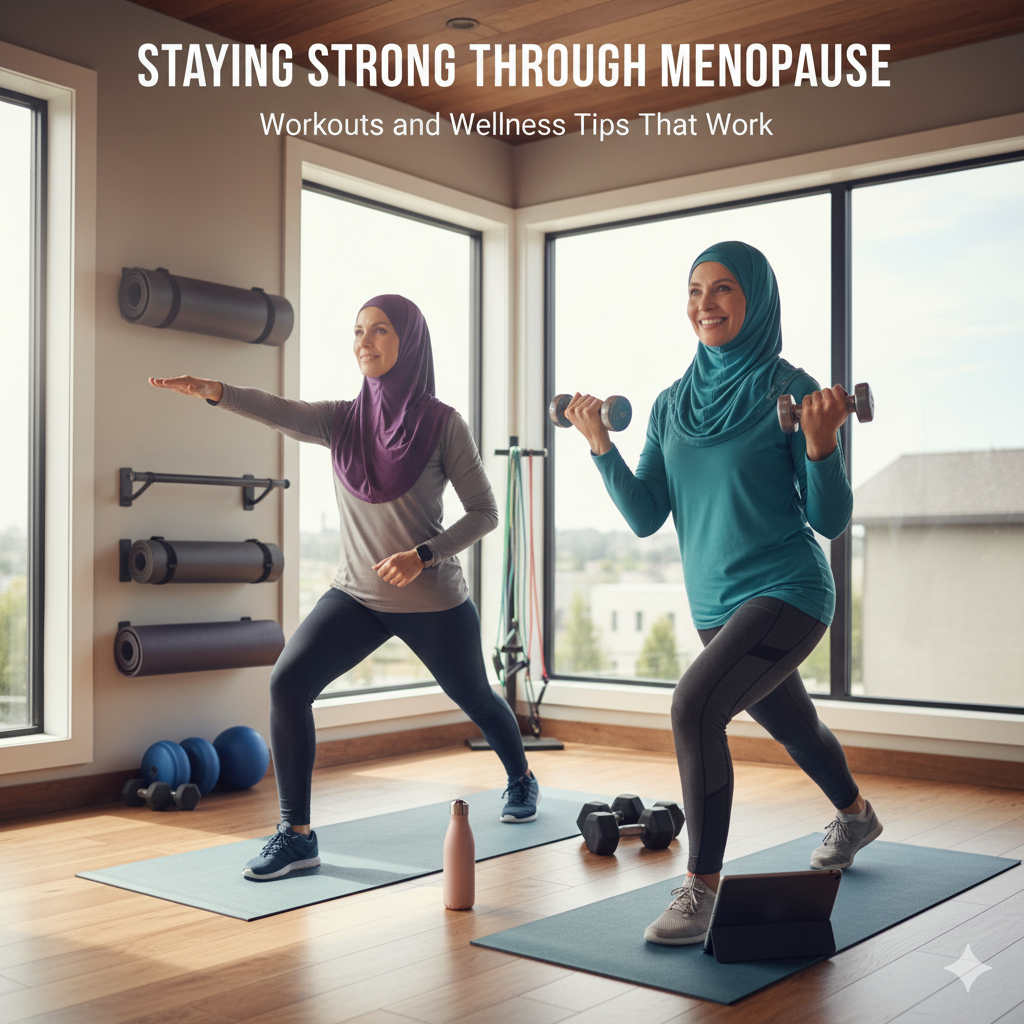

Many women often wonder what the Best exercise menopause options are when their bodies start to change during midlife. The truth is, exercise is not just about fitness at this stage; it’s about improving overall health, boosting energy, and keeping hormones in balance. Strength training, walking, and yoga are some of the most effective choices because they help protect bone density, improve mood, and support metabolism. One of the biggest concerns during this time is how to Flatten belly, as hormonal shifts can make fat accumulate around the midsection more than ever before.
Combining core workouts with cardio and a healthy diet can make a real difference in reducing belly fat and improving posture. Alongside exercise, it’s equally important to recognize the First signs of hormonal changes such as irregular periods, hot flashes, sleep issues, or mood swings. Identifying these signals early can help you make timely adjustments in lifestyle. Finally, when it comes to the best Treatment, experts recommend a mix of healthy eating, consistent exercise, stress management, and in some cases, medical support or supplements. Together, these strategies make menopause more manageable and empower women to feel strong and confident at every stage.
Understanding Menopause
Before we dive into workouts, let’s quickly break down what menopause actually is.
-
Perimenopause: This is the transition stage, usually starting in your 40s. Hormones like estrogen and progesterone start fluctuating. You may notice irregular periods, hot flashes, sleep struggles, or mood changes.
-
Menopause: Officially begins when you’ve gone 12 months without a period. The average age is around 51, but it can happen earlier or later.
-
Postmenopause: The years after menopause. Hormone levels stabilize at lower levels, but long-term changes like bone loss or slower metabolism may show up.
Why does this matter for fitness? Because your hormones affect everything from muscle mass to fat storage to bone strength. That’s why the right exercises during menopause aren’t just about looking good—they’re about keeping your body resilient for decades to come.
Why Exercise is Essential During Menopause
You might be wondering: “Can’t I just eat well and rest more?” Of course, both are important. But exercise is the ultimate game-changer in this stage of life. Here’s why:
-
Fights weight gain: Lower estrogen can shift fat storage to your belly. Exercise keeps metabolism higher and burns calories.
-
Protects bones: After menopause, women are at higher risk for osteoporosis. Weight-bearing workouts strengthen bones.
-
Boosts mood: Exercise helps reduce anxiety, depression, and mood swings by balancing stress hormones.
-
Supports heart health: Estrogen decline raises cardiovascular risks, but cardio and strength training help protect your heart.
-
Improves sleep: Physical activity helps regulate sleep cycles (goodbye, restless nights—well, at least some of them).
-
Increases energy: Ironically, moving more often gives you more energy throughout the day.
So, if there was ever a time to make exercise your non-negotiable, menopause is it.
The Best Menopause Exercises for Every Stage
When it comes to menopause fitness, there’s no “one-size-fits-all.” The best approach is a mix of exercises—strength, cardio, flexibility, and balance—tailored to your stage and how you’re feeling.
1. Strength Training: Your Secret Weapon
If you take only one thing from this article, let it be this: lift weights. Strength training is the single most effective exercise during menopause.
Why? Because:
-
It prevents muscle loss (which naturally happens with age).
-
It boosts metabolism, helping you manage weight.
-
It strengthens bones and reduces fracture risk.
Examples of menopause-friendly strength training:
-
Bodyweight moves like squats, push-ups, lunges.
-
Resistance bands (great for home workouts).
-
Dumbbell or kettlebell exercises.
-
Machines at the gym if you prefer more support.
Pro tip: Aim for 2–3 strength sessions per week. Start light if you’re new, then gradually increase weights.
2. Cardio: Keep Your Heart and Lungs Happy
Cardio during menopause doesn’t have to mean endless treadmill running. The goal is to get your heart pumping, your lungs working, and your mood lifted.
Options to try:
-
Brisk walking or hiking.
-
Cycling (outdoors or stationary bike).
-
Swimming (gentle on joints).
-
Dancing (fun and calorie-burning).
-
Jogging or running, if your body allows.
How much?
-
The American Heart Association recommends 150 minutes of moderate cardio per week. That’s about 30 minutes, five days a week.
3. Flexibility & Mobility: Move Like You’re Younger
Stiff joints and tight muscles can sneak up on you during menopause. Adding stretching and mobility work keeps your body limber and reduces injury risks.
Best flexibility exercises:
-
Yoga (bonus: it calms the mind).
-
Pilates (great for core and posture).
-
Dynamic stretching before workouts.
-
Static stretching after workouts.
4. Balance Work: Prevent Falls and Build Stability
As we age, balance naturally declines. Since menopause also impacts bones, preventing falls becomes critical. Balance exercises help you feel confident in everyday movement.
Easy balance moves:
-
Standing on one leg while brushing your teeth.
-
Heel-to-toe walking.
-
Tai Chi or gentle yoga.
-
Using a balance board or stability ball.
5. Mind-Body Workouts: Stress Relief Included
Menopause Exercises isn’t just physical—it’s emotional too. Mind-body exercises keep stress hormones under control and give you a mental break.
Options worth exploring:
-
Yoga (yes, it shows up again because it’s that good).
-
Meditation combined with light stretching.
-
Breathwork practices.
-
Qigong or Tai Chi.
Exercise Tips for Each Menopause Stage
Different stages bring different challenges. Here’s how to tweak your workouts accordingly:
Perimenopause
-
Challenge: Unpredictable energy, mood swings, irregular periods.
-
Tips:
-
Keep workouts flexible—don’t force high-intensity every day.
-
Mix cardio, strength, and yoga for balance.
-
Prioritize recovery (sleep, hydration).
-
Menopause
-
Challenge: Hot flashes, night sweats, weight gain, joint aches.
-
Tips:
-
Exercise earlier in the day to avoid sleep disruption.
-
Try swimming or water aerobics to cool down.
-
Focus more on strength and bone health.
-
Postmenopause
-
Challenge: Higher risks of osteoporosis, heart disease, and slower metabolism.
-
Tips:
-
Stick with consistent strength training.
-
Add plenty of walking or low-impact cardio.
-
Practice balance and flexibility daily.
-
Practical Fitness Tips Beyond Exercise
Sometimes, fitness during Menopause Exercises isn’t just about the workout—it’s about the lifestyle around it. Here are key strategies:
1. Nutrition Matters
-
Eat more protein (supports muscle and keeps you full).
-
Get enough calcium and vitamin D (bone health).
-
Limit processed sugars (reduces belly fat gain).
-
Stay hydrated (especially if hot flashes are common).
2. Prioritize Sleep
Easier said than done, right? But sleep helps balance weight, mood, and recovery.
-
Stick to a bedtime routine.
-
Keep your bedroom cool.
-
Avoid caffeine late in the day.
3. Manage Stress
High stress can make menopause symptoms worse.
-
Try journaling, meditation, or breathing exercises.
-
Spend time outdoors.
-
Don’t be afraid to ask for help or talk to others going through the same stage.
4. Listen to Your Body
Some days you’ll feel like crushing a workout; other days, you’ll barely want to move. That’s normal. Adapt instead of forcing it.
Sample Weekly Menopause Exercise Plan
A weekly menopause exercise plan should balance strength, cardio, flexibility, and recovery. The goal is not perfection but consistency. Some weeks you may have high energy, while other weeks you may feel fatigued. That’s completely normal during menopause. The key is to adapt the plan to your body’s signals while keeping a structure that supports bone strength, metabolism, and overall health.
Monday: Full-Body Strength Training
-
Squats: 3 sets of 10–12
-
Push-ups or wall push-ups: 3 sets of 8–10
-
Dumbbell rows: 3 sets of 12 per arm
-
Plank hold: 30–45 seconds
Why it works: Starting the week with strength training boosts metabolism, protects bones, and builds lean muscle mass. It also helps reduce the loss of strength that naturally occurs with age.
Tuesday: Cardio with Gentle Stretching
-
30 minutes of brisk walking, cycling, or elliptical
-
10 minutes of stretching focusing on hamstrings, calves, and shoulders
Why it works: Moderate-intensity cardio improves heart health, burns calories, and helps manage menopause belly fat. Stretching prevents stiffness and promotes mobility.
Wednesday: Active Recovery and Mobility
-
Gentle yoga or Pilates (20–30 minutes)
-
Deep breathing or guided relaxation (5–10 minutes)
Why it works: Midweek recovery keeps the body moving without stressing the joints. Active recovery reduces tension, eases hot flashes, and helps with sleep.
Thursday: Lower-Body Strength Training
-
Deadlifts with light weights: 3 sets of 10
-
Step-ups or lunges: 3 sets of 12 per leg
-
Glute bridges: 3 sets of 15
-
Side plank: 20–30 seconds per side
Why it works: Lower body strength supports posture, stability, and bone density in the hips and legs—areas most at risk for osteoporosis after menopause.
Friday: Interval Cardio
-
5-minute warm-up walk
-
20 minutes of intervals (1 minute at faster pace, 2 minutes at slower pace, repeat)
-
5-minute cool-down walk
Why it works: Intervals are effective for burning belly fat, boosting stamina, and improving cardiovascular endurance. They also keep workouts interesting without needing long sessions.
Saturday: Balance and Core Training
-
Single-leg balance: 20–30 seconds per side, repeat 3 times
-
Heel-to-toe walking: 3–5 passes across a room
-
Bird-dogs: 3 sets of 12
-
Side leg raises: 3 sets of 15 per leg
Why it works: Balance work helps prevent falls and injuries, which become more concerning with age. Core training supports better posture and reduces back pain.
Sunday: Leisure and Mind-Body Activity
-
Outdoor walk, swim, dance, or gentle hike (30–45 minutes)
-
Optional: Tai Chi or meditation practice (10–15 minutes)
Why it works: A leisure day helps you connect exercise with enjoyment, not just discipline. Mind-body practices lower stress and support emotional balance during menopause.
Weekly Guidelines for Success
-
Warm up for 5 minutes before and cool down for 5 minutes after every session.
-
Stay hydrated throughout the day to reduce hot flashes and fatigue.
-
Adjust intensity depending on how you feel; it is normal to have fluctuating energy levels.
-
Keep a simple journal to track progress, noting energy levels, mood, and sleep.
Don’t try
-
Skipping strength training: Cardio alone won’t protect bones or muscle.
-
Overtraining: More is not always better—recovery is just as important.
-
Ignoring nutrition: Exercise won’t fix a poor diet.
-
Comparing yourself to your younger self: Your fitness now is about health and vitality, not about looking like you did at 25.
Final Takeaway
Menopause Exercises is not the end of your fitness journey—it’s the beginning of a new one. Your body is changing, yes, but with the right menopause exercises and lifestyle habits, you can stay strong, healthy, and confident through every stage.
Think of Menopause Exercises as your lifelong investment. It protects your bones, boosts your mood, supports your heart, and helps you feel like yourself—even when hormones are doing their rollercoaster thing.
So, whether you’re lifting weights, going for a brisk walk, or rolling out a yoga mat, remember: every bit of movement counts. Start where you are, stay consistent, and celebrate the strength you’re building—not just for today, but for the decades ahead.