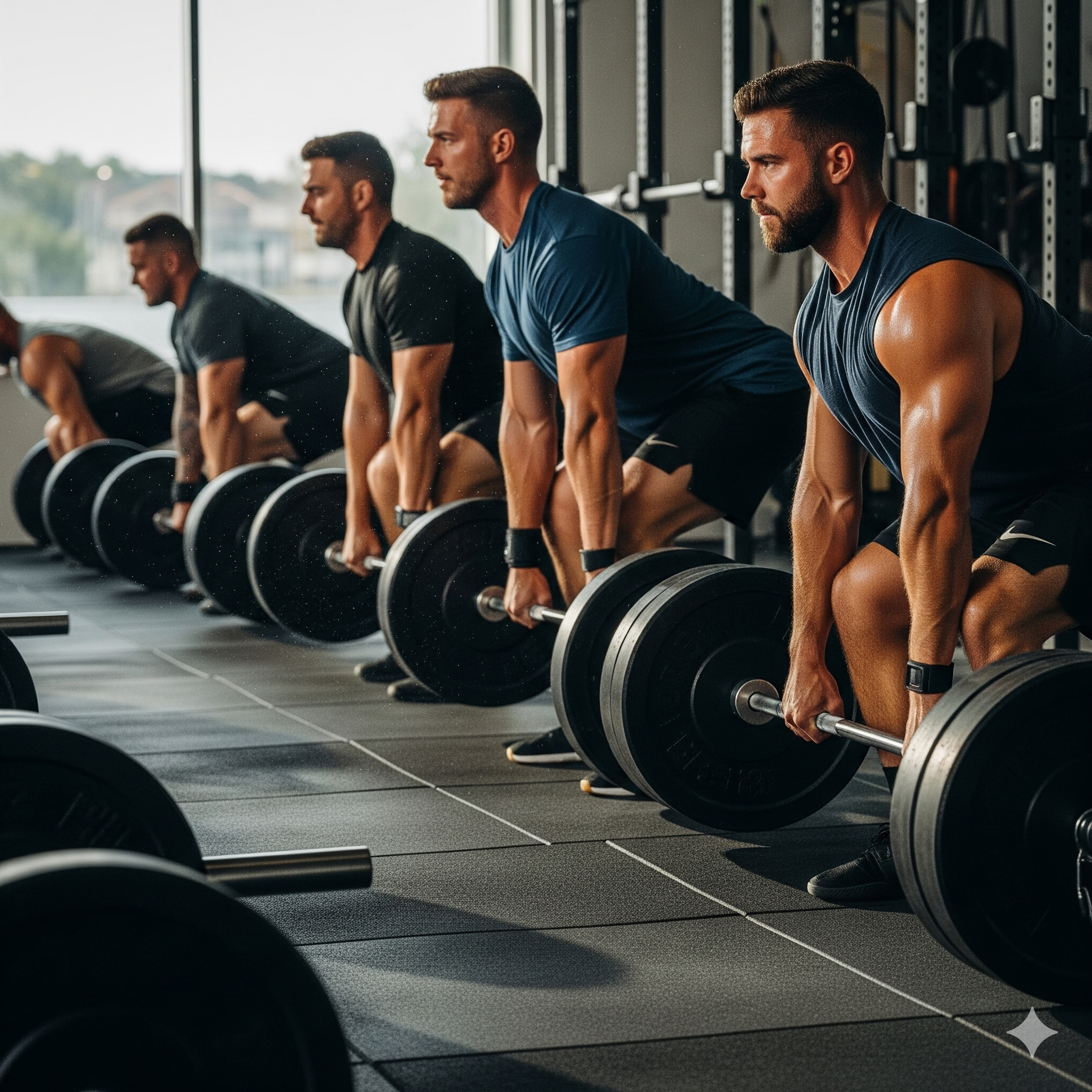

Introduction: Why the Deadlift Matters
Among all strength-training exercises, the Deadlift stands tall as one of the most effective movements for building raw power and functional strength. Unlike isolated exercises, the Deadlift engages multiple muscle groups simultaneously, making it a true test of human strength. It’s not just a gym exercise; it’s a movement pattern that mirrors real-life activities, such as lifting heavy objects from the ground.
Athletes, bodybuilders, powerlifters, and even beginners include the Deadlift in their training because of its unmatched benefits. But what makes it so important? Let’s dive deeper.
The History of the Deadlift
The origins of the Deadlift date back centuries. Ancient warriors and laborers performed similar lifting motions out of necessity. However, the Deadlift as a structured exercise was popularized in the early 20th century by strongmen such as Hermann Görner, who famously lifted 793 pounds with one hand.
Since then, the Deadlift has become a central lift in competitive powerlifting, where athletes are judged on three lifts: squat, bench press, and Deadlift. Its reputation as the ultimate measure of strength has only grown stronger over time.
Muscles Worked in the Deadlift
The Deadlift is a compound movement, meaning it activates multiple muscles across the body. Some of the key muscle groups include:
-
Hamstrings – Assist in hip extension.
-
Glutes – Primary movers for power.
-
Quadriceps – Help extend the knees.
-
Spinal Erectors – Maintain posture and protect the spine.
-
Lats – Keep the bar close to the body.
-
Forearms and Grip Strength – Essential for holding the bar.
Because of this full-body involvement, the Deadlift is often described as the king of compound exercises.
Benefits of the Deadlift
The Deadlift is not just about lifting heavy weights. Its benefits extend into everyday life and overall health.
1. Strength Development
The Deadlift improves overall body strength by training both the posterior chain (backside muscles) and anterior chain (front-side muscles).
2. Functional Fitness
Movements like carrying groceries, lifting boxes, or picking up children are easier when you train with the Deadlift.
3. Hormonal Boost
Heavy lifting stimulates testosterone and growth hormone production, aiding muscle growth.
4. Posture and Core Stability
The Deadlift strengthens the spinal erectors and core, reducing the risk of lower back injuries.
5. Fat Loss
Because it burns a high number of calories, the Deadlift can aid fat loss when combined with proper nutrition.
Variations of the Deadlift
There isn’t just one way to perform a Deadlift. Here are some popular variations:
-
Conventional Deadlift – The standard form with feet hip-width apart.
-
Sumo Deadlift – Feet wide and hands inside the knees; reduces lower back strain.
-
Romanian Deadlift (RDL) – Focuses on hamstrings and glutes with a shorter range of motion.
-
Trap Bar Deadlift – Uses a hexagonal bar for a more upright posture.
-
Deficit Deadlift – Performed while standing on a platform for extra range of motion.
Each variation emphasizes different muscle groups and suits different training goals.
Proper Deadlift Form: Step by Step
To maximize benefits and prevent injuries, performing the Deadlift correctly is crucial.
-
Approach the Bar – Feet shoulder-width apart, bar over midfoot.
-
Grip the Bar – Use an overhand, mixed, or hook grip.
-
Set Your Back – Keep your spine neutral, chest up, shoulders slightly in front of the bar.
-
Lift Off – Drive through your heels, extend hips and knees at the same time.
-
Lockout – Stand tall with chest out and shoulders back.
-
Lower the Bar – Push hips back and control the descent.
Common Deadlift Mistakes to Avoid
Even though the Deadlift looks simple, many lifters make mistakes:
-
Rounding the back.
-
Jerking the bar off the ground.
-
Overextending at lockout.
-
Not engaging the core.
-
Using too much weight too soon.
Avoiding these errors ensures long-term progress and injury prevention.
The Deadlift in Powerlifting and Bodybuilding
In powerlifting, the Deadlifts is one of the three competition lifts and often the deciding factor in a meet. In bodybuilding, the Deadlifts is prized for building thickness in the back and overall mass. Many professional bodybuilders use it to add density to their physiques.
Deadlift and Athletic Performance
The Deadlifts is not only for strength athletes. Football players, sprinters, wrestlers, and MMA fighters incorporate it to improve explosive power. Since it builds hip drive and grip strength, it directly translates into better athletic performance.
Risks and Safety Considerations
While the Deadlifts is highly effective, poor technique or overtraining can cause injuries, especially in the lower back. To stay safe:
-
Warm up properly.
-
Start with lighter weights.
-
Use lifting belts when lifting maximal loads.
-
Avoid ego lifting.
When done correctly, the Deadlifts is safe and beneficial.
The Future of the Deadlift in Fitness Trends
With the rise of functional training, CrossFit, and strength-based programs, the Deadlifts continues to be a cornerstone exercise. Its versatility ensures that it will remain a top choice for anyone seeking real-world strength and athleticism.
Key Takeaways
-
The Deadlifts is a compound lift that builds full-body strength.
-
It has multiple variations for different goals.
-
Proper form is essential to maximize benefits and prevent injuries.
-
It improves functional fitness, athletic performance, and physique.
-
Despite risks, with correct technique, the Deadlifts is one of the most effective exercises for strength development.
Conclusion
So, why is the Deadlifts called the king of strength training? Because no other exercise trains as many muscles, delivers as many benefits, and has as much carryover into everyday life. Whether you are an athlete, a bodybuilder, or someone looking to get stronger and healthier, the Deadlifts deserves a place in your workout routine.