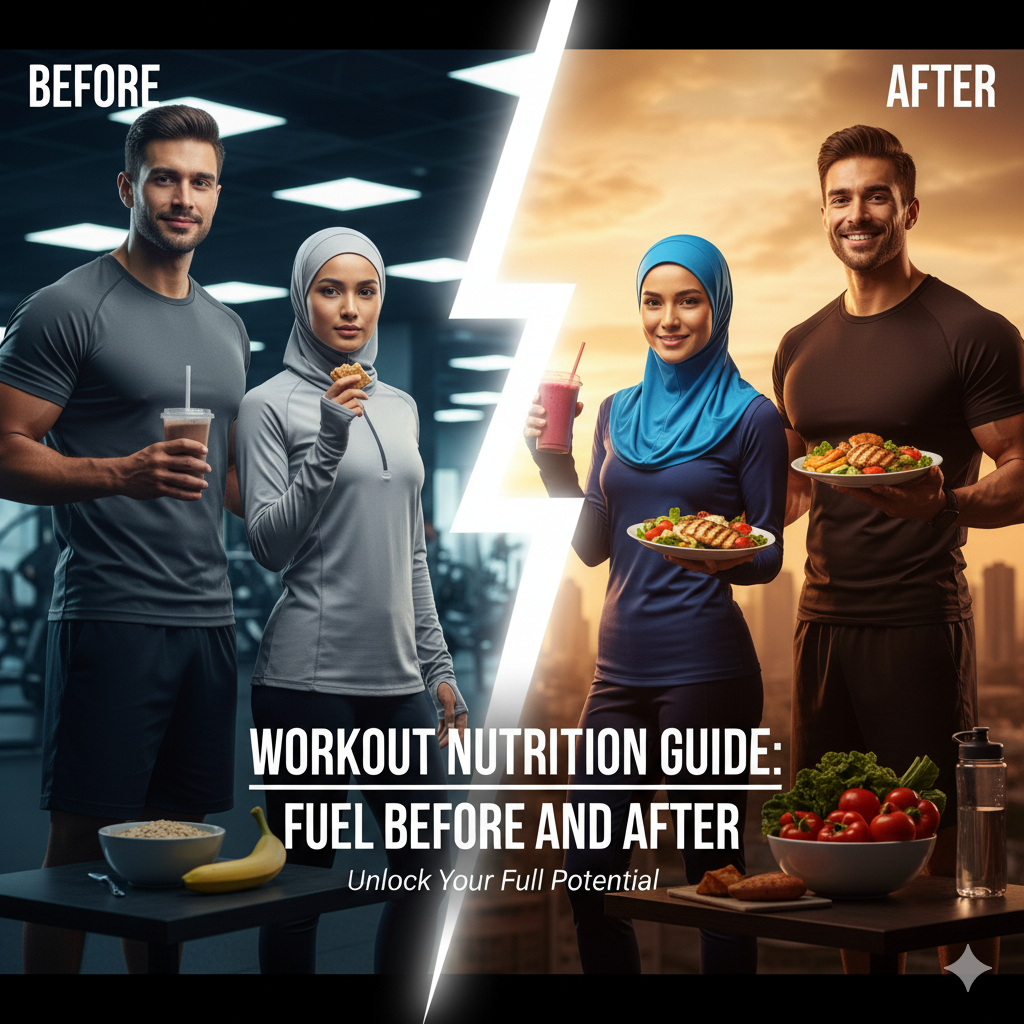

When it comes to fitness results, nothing beats the power of post-workout nutrition. After you finish exercising, your body is in a state where it craves the right fuel to recover, repair, and grow stronger. During training, your muscles use up glycogen (stored carbs) and experience tiny tears that need protein to rebuild. That’s why what you eat after a workout can completely change how you feel and how fast you recover. A smart post-workout nutrition plan includes a mix of carbs to restore energy and protein to support muscle repair.
Eating within 30 minutes to an hour after training is often called the “golden window,” because your body is extra ready to absorb nutrients during this time. You don’t always need a huge meal — even a protein shake with a banana or some Greek yogurt with fruit can do the job. The goal is simple: give your body the building blocks it needs so you come back stronger for your next workout. Whether your goal is muscle growth, fat loss, or just feeling energized, making post-workout nutrition a priority will maximize your results and help you stay consistent on your fitness journey.
Why Nutrition Matters Around Workouts
Before we dive into the “before vs. after” debate, let’s get one thing straight: food is fuel.
When you eat, your body breaks food down into nutrients — carbs, proteins, and fats — which provide energy, repair muscles, and keep your body functioning.
-
Carbs give you quick energy. Think of them as your body’s premium gas.
-
Protein helps repair and build muscles, like bricks in a construction site.
-
Fats provide long-lasting energy, though they’re slower to burn.
If you don’t time your meals right, you might feel sluggish, lightheaded, or even struggle to get through your workout. On the flip side, eating smartly around your workout can boost your energy, performance, and recovery.
Eating Before a Workout: The Case for Fueling Up
Imagine showing up to the gym on an empty stomach. Some people feel sharp and energized, but many end up dizzy or weak halfway through their sets. That’s where pre-workout meals come in.
Benefits of Eating Before Exercise
-
Steady Energy Levels – Having carbs before exercise gives your muscles glycogen (stored energy) to power through your workout.
-
Better Performance – Studies show athletes perform better when they’ve eaten something 1–3 hours before.
-
Reduced Muscle Breakdown – Eating protein beforehand can help prevent muscle loss, especially during intense or long workouts.
-
Mental Focus – Low blood sugar can leave you distracted. A good meal stabilizes it.
What to Eat Before a Workout
The best pre-workout meals depend on timing:
-
3 hours before: A balanced meal with carbs, protein, and a little fat. Example: chicken, rice, and veggies.
-
1–2 hours before: Something lighter but still filling. Example: oatmeal with fruit and a scoop of protein.
-
30 minutes before: Quick-digesting carbs and small protein. Example: banana with a spoon of peanut butter.
Pro tip: Avoid heavy, greasy meals before working out. They take longer to digest and can leave you feeling sluggish or nauseous.
Eating After a Workout: The Case for Recovery
Okay, so you powered through your workout — now what? This is where post-workout nutrition comes into play.
Why Post-Workout Meals Matter
-
Refill Energy Stores – Exercise uses up glycogen, and carbs help replace it.
-
Muscle Repair – Protein provides amino acids that help muscles recover and grow.
-
Reduce Soreness – Eating after exercise may reduce muscle damage and speed recovery.
-
Better Adaptation – Post-workout meals “teach” your body to handle stress better, improving future performance.
What to Eat After a Workout
The “golden window” for post-workout meals is usually within 30–60 minutes after finishing.
-
Protein (20–40g): Eggs, chicken, fish, Greek yogurt, protein shakes.
-
Carbs: Sweet potatoes, rice, oats, fruits.
-
Hydration: Water is key, but if you’ve sweated a lot, add electrolytes.
A classic example? A protein shake with banana and oats — quick, effective, and tasty.
The Great Debate: Before vs. After
Now, the million-dollar question: is it better to eat before or after a workout?
The truth is, both matter. Think of pre-workout meals as “fueling the car” and post-workout meals as “repairing the car.” Without one, you’ll eventually run into problems.
When Pre-Workout Nutrition Matters Most
-
Early-morning workouts (no energy reserves from the night before).
-
High-intensity training like HIIT, sprints, or heavy lifting.
-
Longer sessions (over 60 minutes).
When Post-Workout Nutrition Matters Most
-
Muscle-building goals.
-
Training multiple times a day.
-
Endurance athletes (runners, cyclists, etc.).
If you’re doing light exercise, like a casual walk or yoga, the timing isn’t as critical. But for intense training, both meals are equally important.
Fasted Workouts: Should You Try Them?
You’ve probably heard of people training on an empty stomach to “burn more fat.” That’s called fasted cardio.
Here’s the science: when you exercise fasted, your body taps into fat stores more quickly since glycogen is low. But — and this is important — that doesn’t necessarily mean you’ll lose more fat overall. Long-term fat loss depends more on your total diet and calorie balance.
Fasted workouts may help if:
-
You feel fine exercising without food.
-
Your goal is fat adaptation (training your body to burn fat efficiently).
They’re not great if:
-
You get dizzy or sluggish.
-
You’re lifting heavy weights (muscles need glycogen).
-
You’re trying to build muscle.
Practical Meal Timing Strategies
Here are some strategies you can use depending on your lifestyle:
If You Work Out in the Morning
-
Light snack before: banana, small yogurt, or toast with honey.
-
Bigger breakfast after with protein and carbs.
If You Work Out in the Afternoon
-
Balanced lunch 2–3 hours before.
-
Small protein-carb snack (like an apple with almond butter) 30 minutes before.
-
Dinner as your recovery meal.
If You Work Out in the Evening
-
Snack in the afternoon (granola bar, fruit + nuts).
-
Post-workout dinner with lean protein and complex carbs.
Supplements: Do You Need Them?
When people talk about fitness, the word supplements almost always pops up. Protein powders, creatine, BCAAs, pre-workouts — the list seems endless. But here’s the truth: supplements are called “supplements” for a reason. They’re meant to add on to a solid diet, not replace it.
Think of your nutrition as building a house. Whole foods like chicken, fish, fruits, vegetables, rice, and oats are the foundation. Supplements are like the paint, decorations, and finishing touches. They can make things better, but without the foundation, they won’t hold up.
Common Helpful Supplements
-
Protein Powder – Ideal if you struggle to hit your protein needs through food. Quick, convenient, and effective for muscle repair.
-
Creatine – One of the most researched supplements. It helps increase strength, endurance, and muscle recovery.
-
Electrolytes – Useful if you train hard, sweat a lot, or exercise in hot climates.
-
Caffeine/Pre-Workout – Gives a boost in focus and energy, but don’t rely on it daily.
-
Omega-3 (Fish Oil) – Supports joint health and reduces inflammation.
When to Skip Supplements
If your diet is already balanced, you may not need them. Some products are overhyped and overpriced. The smartest move? Start with whole foods, then add supplements only if you have a gap in your nutrition or need extra convenience.
Key Takeaways
-
Food is fuel — carbs, protein, and fats all play a role.
-
Pre-workout meals boost performance and energy.
-
Post-workout meals help recovery and muscle growth.
-
Fasted training works for some, but not all.
-
The best strategy is to eat both before and after your workout.
Conclusion
At the end of the day, fitness is about consistency, balance, and listening to your body. Whether you eat before, after, or both, the key is to give your body what it needs to thrive.
So the next time you’re headed to the gym, ask yourself: Do I need fuel, or do I need recovery? Answering that will guide your nutrition choices better than any one-size-fits-all rule ever could.
Stay consistent, eat smart, and remember: your body is your greatest training partner — fuel it well.